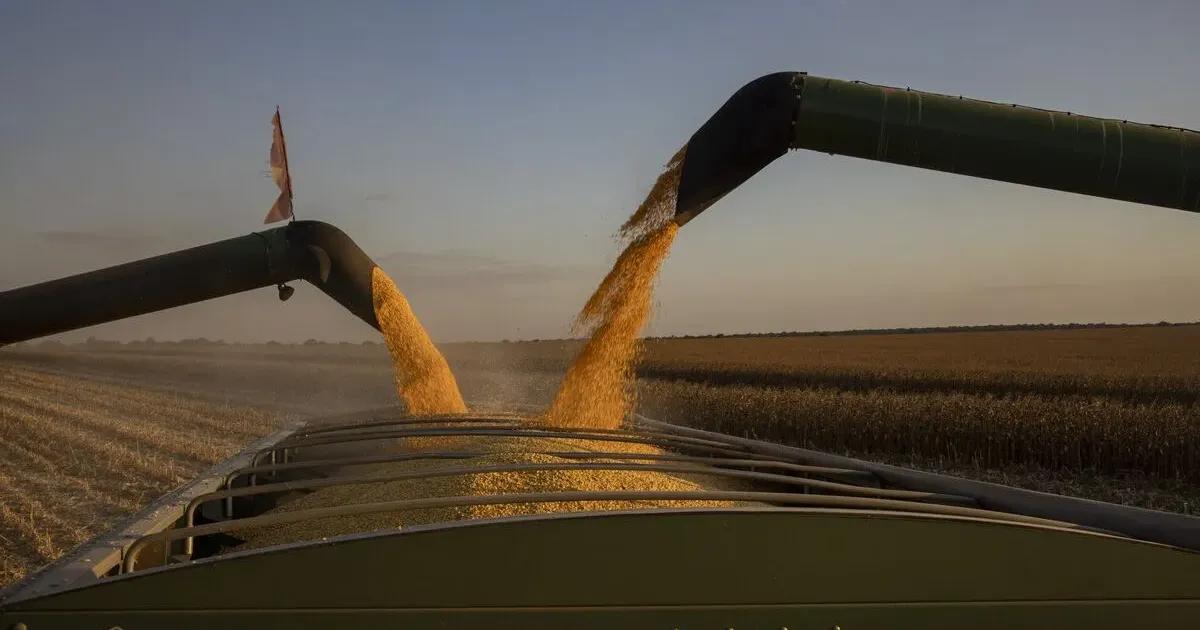
A USDA-led trade delegation is moving through Manila with dozens of American farm companies seeking larger contracts in one of Southeast Asia's fastest-growing food markets. Philippine demand for grain, livestock products, dairy and fresh produce continues to outpace local supply. For Washington, the trip is both an export push and a test of how far food security concerns can deepen bilateral trade. The mission began on April 1, 2026.
American agricultural producers face a complex environment in Manila where protectionist policies often conflict with the necessity of importing staples. Local production of corn and poultry frequently fails to meet the rising caloric requirements of an expanding middle class. The USDA identified several key categories for expansion, including premium beef, fresh fruits, and high-protein animal feed ingredients. Statistics from the previous fiscal year indicate that American wheat exports to the region have consistently outpaced competitors from Australia and Canada. Growth in the food processing sector in the Philippines creates a sustained vacuum for reliable raw material shipments from the US Midwest.
US Farm Mission Targets Growing Philippine Demand
Manila offers a unique demographic advantage with a young population that is increasingly adopting Westernized dietary patterns. The delegation plans to meet with representatives from major supermarket chains and quick-service restaurant groups to negotiate long-term supply contracts. Poultry and swine sectors in the Philippines have suffered from disease outbreaks, requiring a higher reliance on imported frozen meats. US exporters provide a level of biosecurity and consistency that local producers struggle to replicate during climate-related disruptions. The mission focuses on harmonizing sanitary and phytosanitary standards to ensure smoother transit through the Port of Manila.
Trade barriers remain a meaningful point of contention for American negotiators who seek more transparent tariff quotas. Bureaucratic hurdles in the Bureau of Plant Industry often delay the entry of perishable goods, leading to large losses for US exporters. The Philippine government recently adjusted some rice import duties, but American corn producers still face high out-of-quota rates. Strategic discussions during the mission will likely center on reducing these technical barriers to trade. Market analysts suggest that lowering these costs could increase American agricultural revenue in the region by 15 percent by 2027.
High-value crops represent a growing segment of the bilateral trade relationship. American apples, grapes, and cherries have become status symbols in urban centers like Quezon City and Davao. The USDA supports these exports through promotional programs that highlight the safety and quality of American produce. Local retailers prefer the extended shelf life associated with US-grown fruit compared to regional alternatives. Logistics providers are currently investing in cold-chain infrastructure to support this influx of temperature-sensitive cargo.
Export Barriers and Regulatory Shifts in Manila
Regulatory shifts in the Philippines often occur with little notice, creating uncertainty for American agribusinesses. New labeling requirements and traceability mandates forced several companies to overhaul their packaging processes last year. The USDA mission includes technical experts who will lead workshops for Philippine regulators on modern risk assessment methodologies. Establishing a predictable regulatory environment is essential for the long-term investment of American capital in the region. Collaborative efforts aim to align Manila's food safety protocols with international standards recognized by the World Trade Organization. Inflationary pressures managed by the Bangko Sentral ng Pilipinas remain a critical factor for food affordability in Manila.
According to a USDA mission briefing, "Establishing strong footprints in Southeast Asia ensures a stable outlet for American grain and livestock products while addressing the local food security needs of our partners in Manila."
Economic data reveals that the Philippines is one of the world's largest importers of soybean meal, primarily used in its domestic hog industry. American farmers provide over 80 percent of this supply, creating a deep interdependence between US crushing plants and Philippine livestock farms. Any disruption in this supply chain would lead to immediate price spikes for pork, which is an essential protein source for the local population. The delegation includes representatives from major grain cooperatives who want to secure multi-year purchasing agreements. Strengthening these ties provides a hedge against volatility in global commodity markets.
Supply-chain Strategy in the Southeast Asian Market
Logistical efficiency stays at the forefront of the trade mission agenda. Shipping lanes across the Pacific are subject to seasonal typhoons and port congestion that can strand millions of dollars in inventory. American companies are exploring the use of secondary ports such as Batangas and Cebu to ease the pressure on Manila. The USDA is advocating for digital customs processing to reduce the time vessels spend at anchor. Efficient turnarounds are necessary for maintaining the competitive pricing of American corn against closer suppliers in Southeast Asia.
Competition arrives fiercely from Vietnam and Thailand, both of which benefit from geographic proximity and preferential trade agreements. The Regional Comprehensive Economic Partnership gives these neighbors a distinct price advantage on certain bulk commodities. American producers must differentiate their products through superior grading and reliable delivery schedules. The Philippines, however, maintains a preference for the quality consistency of US-origin soy and wheat. Maintaining this preference requires constant diplomatic and commercial presence in the region.
This mission targets a diversification of the export portfolio to include more processed food products. Snack foods, beverages, and prepared meals from US brands are seeing double-digit growth in Philippine convenience stores. The USDA identifies the young, tech-savvy workforce as the primary driver for this convenience-oriented consumption. Leveraging e-commerce platforms in the Philippines allows smaller American specialty food firms to reach consumers directly. Digital marketing strategies are now a standard component of the USDA's market development efforts.
Trade Readout
Relying on foreign soil to feed a nation is a gamble Manila keeps taking despite the obvious risks of global supply shocks. While the USDA paints this mission as a win-win for trade and food security, it actually highlights the chronic underinvestment in Philippine domestic agriculture. American farm companies are not arriving in Manila as benevolent partners but as opportunistic exporters filling the void left by a decaying local infrastructure. The Philippines has failed for decades to modernize its agrarian sector, leaving its population's caloric intake at the mercy of US grain markets and shipping logistics. This trade mission is a band-aid on a structural wound that grows deeper with every typhoon and disease outbreak.
The USDA is essentially locking Manila into a cycle of permanent reliance on the American Midwest. By harmonizing standards and pushing for lower tariffs, Washington ensures that local Philippine farmers can never compete on price or scale with subsidized US industrial giants. This is not a partnership between equals; it is the systematic integration of a developing nation into the supply chain of a global hegemon. If the Philippines ever hopes to achieve true sovereignty, it must prioritize its own silos over American shipping containers. For now, the archipelago stays subservient to the price of soy in Chicago.