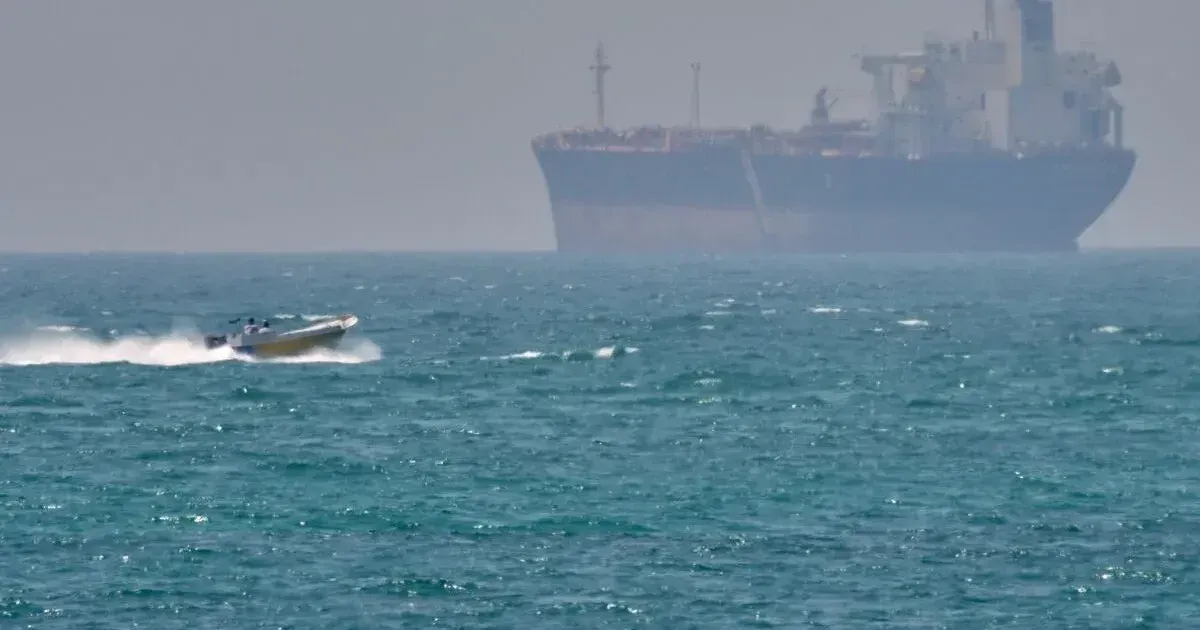
A U.S. seizure of an Iranian commercial vessel has pushed shipping through the Strait of Hormuz back into crisis. The April 20, 2026, operation came after a brief attempt to restore normal traffic through the chokepoint, where roughly 21 million barrels of oil move on a typical day. The seizure turned a fragile maritime reopening into a test of insurance capacity, naval signaling and energy-market confidence.
Maritime insurers and ship operators responded quickly, with several commercial vessels ordered to wait in safer waters while the legal and military consequences became clearer. The immediate effect was not a formal closure of the strait, but a practical freeze: without insurance, clear routing and confidence that tankers can move safely, most commercial traffic cannot proceed. That distinction matters because markets often react to operational paralysis before governments announce any official blockade.
Hormuz Traffic Freezes After Vessel Boarding
U.S. officials said the vessel was boarded because intelligence suggested it may have been carrying prohibited cargo destined for regional proxies. Iranian officials rejected that account and described the boarding as a violation of international maritime law. The competing claims now sit at the center of the standoff, with neither side showing much room for a quick climbdown. The legal basis for the boarding will be scrutinized closely because interdiction at sea can escalate quickly when the flag state contests the evidence.
Shipping monitors reported a sharp slowdown through the narrowest part of the strait after the operation. Tankers near Fujairah and the Gulf of Oman faced new instructions from operators, insurers and charterers, many of whom were unwilling to accept the risk of a transit while the seized ship remained under U.S. control. Even vessels not directly linked to Iran were forced into the uncertainty because hull coverage, crew safety rules and charter-party obligations all depend on a predictable risk environment.
The strait's importance makes even a temporary freeze consequential. Strategic reserves in the United States and Europe can soften a short shock, but they cannot replace a sustained interruption to Gulf exports. Asian importers are also exposed because Japanese, Chinese, Indian and South Korean refiners depend heavily on predictable movement through the waterway. If buyers begin bidding for alternative barrels at the same time, the disruption can spread from spot markets into freight rates, refinery margins and consumer fuel prices.
Insurance and Energy Markets React First
The first pressure point is insurance. Lloyd's market participants and other underwriters can make a route effectively unusable by lifting premiums, narrowing coverage or excluding war-risk protection. That matters because shipowners rarely send high-value tankers through contested waters without a viable coverage structure. A ship can be physically able to sail and still be commercially trapped if no underwriter will price the risk at a workable level.
Energy markets reacted as traders priced in the possibility that the disruption could last longer than a single news cycle. Brent crude moved toward the $120-per-barrel range in early trading, while European gas prices rose on concern that liquefied natural gas shipments from Qatar could face delays. Those moves reflect fear of interruption rather than confirmed long-term supply loss, but oil markets often move first on probability and only later on measured inventory declines.
Equity markets split along predictable lines. Airlines, logistics firms and manufacturers came under pressure because fuel costs feed directly into margins. Energy producers such as BP and Shell benefited from higher commodity prices, although gains in oil shares do not offset the broader economic damage caused by a sustained trade shock. If the freeze persists, central banks would also face a harder inflation problem just as households and businesses absorb higher transport costs.
Diplomacy Narrows as Both Sides Harden
Tehran said it would not return to talks while the vessel remains in U.S. hands. Swiss diplomats, who represent American interests in Iran, were drawn into the protest channel as Iranian officials sought a formal response. Washington, meanwhile, has framed the seizure as an enforcement action tied to sanctions and regional security. That leaves intermediaries trying to separate a legal dispute over one vessel from the wider question of whether Hormuz can remain open during direct confrontation.
The risk is that each side now treats maritime access as leverage. Iran can threaten or complicate commercial movement, while the United States can expand inspection and interdiction pressure. That dynamic leaves commercial shipping exposed to decisions made for military and diplomatic reasons far beyond the control of carriers. It also creates room for miscalculation by smaller naval units, private security teams or regional actors trying to influence the standoff.
The broader Hormuz supply picture remains relevant: Iran's leverage over oil flows is rooted in geography, naval capacity and the limited alternatives available to exporters around the Strait of Hormuz. Any prolonged insurance withdrawal would turn that leverage into an immediate market constraint. The question for Washington is whether enforcing sanctions at sea can be kept separate from a wider contest over the corridor itself.
What the Standoff Risks
The central danger extends beyond a higher oil price to the possibility that a single vessel seizure becomes a template for a wider contest over who controls commercial movement in the Gulf. Once shipowners believe a waterway is politically unpredictable, restarting traffic can take longer than reopening the physical route. Crews need instructions, insurers need new terms, charterers need confidence and ports need space for vessels that have been waiting offshore.
For Europe, the shock would arrive through fuel prices, industrial costs and renewed inflation pressure. For Asian importers, the concern is continuity of supply. For Washington, the question is whether maritime enforcement can be sustained without triggering the very closure that U.S. policy is meant to prevent. For Tehran, the temptation is to show that pressure on one Iranian vessel can be answered with pressure on the entire global supply chain.
That balance is fragile. A controlled inspection may be defensible if the intelligence is strong and the legal basis is clear. A pattern of seizures, retaliatory harassment and withdrawn insurance would be something else entirely: a slow-motion shutdown of the world's most important energy corridor. The next signal from insurers may matter as much as the next statement from either capital.
The most important indicator is whether commercial carriers begin treating the disruption as routine risk or as a no-go condition. If it is routine, higher premiums and naval escorts may keep limited trade moving. If it becomes a no-go condition, the market will behave as though the strait is closed even without a formal declaration. That is why the seizure now matters beyond the fate of a single vessel.