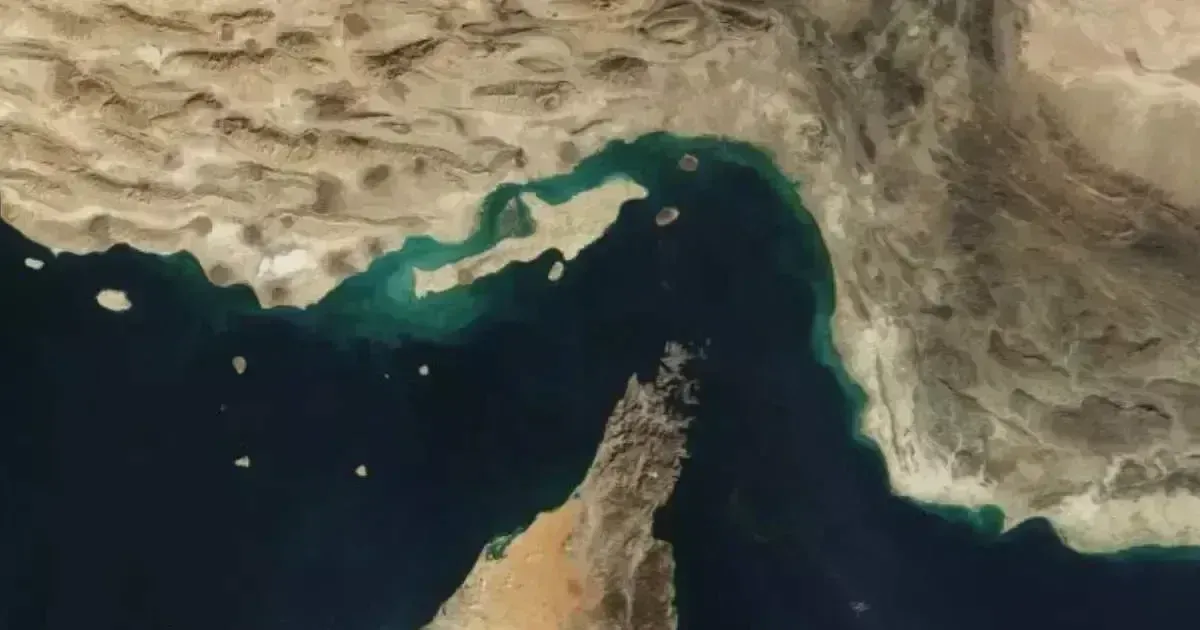
U.S. officials are warning Iran against further escalation around the Strait of Hormuz as a tentative arrangement to reopen the waterway remains unsettled. The warning keeps the diplomatic channel open but makes clear that shipping behavior will be the real test. The warning, reported on May 31, 2026, follows weeks of military pressure, shipping disruption, and indirect diplomacy over one of the world's most important energy routes. President Donald Trump has not yet given final approval to a broader ceasefire extension tied to the maritime talks.
The diplomatic opening is fragile because Washington and Tehran are trying to solve several disputes at once. U.S. officials want verifiable access for commercial shipping, while Iran is seeking relief from pressure and leverage over sanctions. A tentative agreement has been discussed, but the lack of a final decision leaves naval forces, shipping companies, and regional governments waiting for a clear signal.
The Strait of Hormuz carries a large share of Gulf crude and liquefied natural gas exports, so any restriction immediately affects energy markets. Shipping firms have had to weigh risk, insurance costs, and rerouting options while governments debate whether diplomacy can reopen the channel without another round of strikes. The uncertainty is the central issue: a deal may be close, but the military environment remains tense.
Hormuz Talks Remain Fragile
The United States has used sanctions, naval pressure, and private warnings to shape Iran's calculations. Recent reporting described a proposed framework that would reopen the strait and extend the ceasefire while harder issues, including sanctions and nuclear questions, remain unresolved. That structure would give both sides a short-term off-ramp, but it would not remove the deeper conflict that produced the crisis.
U.S. and Iranian negotiators have discussed a tentative deal to reopen the Strait of Hormuz and extend the ceasefire, according to officials familiar with the talks.
Iranian-linked outlets have presented U.S. warnings as pressure tactics, while American officials argue that free navigation cannot depend on repeated crisis bargaining. The gap between those positions explains why the talks are difficult. Each side wants to avoid appearing weak, and each side is trying to protect room for military action if diplomacy fails.
Shipping remains the most visible test. Tanker operators and insurers need more than political language before they treat the route as safe. They will look for sustained passage, clear rules of engagement, and evidence that attacks or interceptions have stopped. Until then, the economic cost of uncertainty remains part of the pressure on both governments.
Lebanon Front Adds Pressure
The Hormuz dispute is also unfolding alongside military escalation involving Israel and Hezbollah in Lebanon. Lebanese officials have condemned Israeli ground operations and described the campaign as collective punishment. Israel says its actions are aimed at reducing rocket and missile threats from Hezbollah positions. The overlap matters because Iran, Hezbollah, Israel, and the United States are all connected to the same regional security chain.
Washington is therefore trying to manage two related risks: maritime disruption in the Gulf and a widening northern front near Israel. A step toward de-escalation in Hormuz could be weakened if the Lebanon conflict expands. Conversely, a new U.S.-Iran clash in the Gulf could harden proxy positions across the region and make diplomacy on the Lebanon front harder.
European diplomats have urged restraint because energy prices, refugee pressure, and regional security all move quickly when these conflicts overlap. The United Nations Security Council may face renewed calls for action if the Lebanon front continues to widen. For the White House, the challenge is to keep the maritime talks from being overtaken by events elsewhere.
Allied Coordination Sets the Threshold
The Hormuz warning also depends on allied coordination. Tanker routes, naval escorts and energy contracts involve governments that may not use identical language in public. If Washington wants deterrence to hold, partners need a shared threshold for what would trigger a response.
Military Risk Stays High
The most immediate danger is miscalculation. Ships, aircraft, drones, and coastal defenses are operating in a narrow zone where warning time is limited. A single incident involving a U.S. vessel, an Iranian unit, or a commercial ship could force leaders to respond before diplomacy has time to absorb the shock. That is why private warnings and back-channel communication are as important as public statements.
Trump's decision on the tentative deal will determine whether the current pressure phase becomes a de-escalation track or a prelude to more strikes. Approving an extension could reopen some shipping and give negotiators time to address harder issues. Rejecting it could satisfy Iran hawks but raise the risk of a broader military confrontation. Neither path is clean, which is why the administration has moved slowly.
For energy markets and regional governments, the next signal from Washington will matter more than rhetoric. If the strait reopens under a monitored arrangement, shipping pressure could ease quickly. If the deal stalls, insurers, naval commanders, and Gulf states will plan for a longer crisis. The standoff has reached the point where delay itself is a strategic decision: every additional day affects shipping confidence, military readiness, fuel expectations and the political cost of compromise. Washington says it will judge any Hormuz deal by shipping behavior rather than public language, while diplomats will watch whether carriers treat the warning as reassurance or evidence of continuing risk. Insurers, tanker operators and Gulf governments will look for fewer incidents, clear escort rules and communication channels that keep small encounters from becoming regional crises. Washington must also coordinate its thresholds with allies whose ships and energy contracts use the corridor; conflicting signals could invite Tehran to test gaps between diplomatic language and naval enforcement.