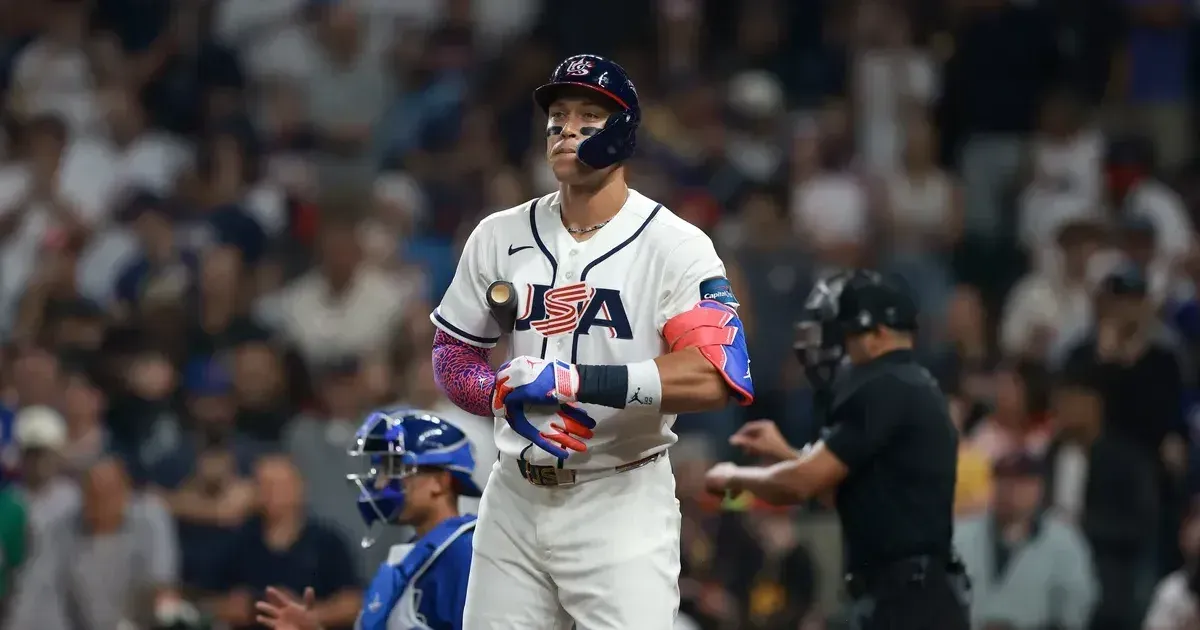
Houston Hosts a North American Quarterfinal
Daikin Park hosts a high-stakes encounter tonight between the United States and Canada in the second quarterfinal of the 2026 World Baseball Classic. At 8 p.m. ET, the game is a critical test for an American squad that narrowly escaped elimination during the opening round. Fans are descending upon Houston to witness a rivalry that historically transcends the diamond, though many viewers will attempt to watch the action from their living rooms through unconventional digital means. On March 13, 2026, the Houston quarterfinal brought competitive pressure and viewing frustration together. The atmosphere in the stadium is expected to be electric, yet the real story may lie in the shifting habits of the global audience. National pride rests on a pitching rotation that has struggled for consistency.
USA secured its spot in the bracket through a series of fortunate events. Italy’s victory over Mexico provided the opening the American squad required to advance in second place from their pool. That defeat to Italy remains a point of contention for analysts who expected a more dominant performance from the defending champions. Managerial decisions regarding the bullpen were questioned by local media, particularly as the American hitters failed to capitalize on early-inning opportunities. Canada enters this matchup with the intent to exploit those exact vulnerabilities.
Broadcasters in the United States hold exclusive rights behind significant paywalls, but international alternatives remain accessible to those with the necessary tools. Cuba’s Tele Rebelde and Venezuela’s Venevision are scheduled to carry the 8 p.m. ET broadcast for free. These state-controlled networks offer a window for viewers who find domestic subscription costs prohibitive. High-speed internet allows these feeds to reach a global audience, provided the users can bypass regional barriers. The reliance on foreign broadcasts highlights a growing disconnect between domestic licensing fees and the average consumer’s willingness to pay. Virtual Private Networks have transitioned from niche technical workarounds to mainstream consumer strategies. Tools like ExpressVPN allow users to mask their internet protocol addresses, simulating a location within Havana or Caracas to access local streams.
Pitching Plans Decide the Margins
Licensing agreements often fail to account for the borderless nature of modern connectivity. When a fan in New York connects to a server in Venezuela to watch Venevision, they are participating in a gray market that challenges the traditional revenue models of Major League Baseball. This strategy relies on the simplicity of the technology, which requires only a subscription and a few clicks to execute. This technological gap creates a friction point for rights holders who spend billions for exclusivity.
Domestic networks rely on geofencing to protect their investments, but the efficacy of these digital walls is declining. Encryption and tunneling protocols have become so efficient that streaming quality remains high even when routed through distant servers. Data from previous tournaments indicates that millions of viewers now prefer these methods over traditional cable packages. Canada’s roster features a mix of veteran Major League Baseball talent and rising stars from the minor league systems.
Their path to the quarterfinals was less turbulent than the American journey, characterized by steady defensive play and timely hitting. Canadian players often view the World Baseball Classic as the ultimate platform to prove their parity with their southern neighbors. Historical statistics show that Canadian teams perform better when cast as the underdog in international play. One run could be the difference in a game where both teams are utilizing their top-tier starters.
Mark DeRosa faces the difficult task of restructuring a lineup that produced only three runs in the recent loss to Italy. The American squad features some of the highest-paid athletes in professional sports, yet their collective performance has lacked the cohesion seen in the 2023 tournament. Scouts have noted a tendency to swing at high fastballs, a weakness that Canadian pitchers are likely to target early in the count. Adjustments in the batting order may be necessary to jumpstart the offense.
Streaming Friction Follows the Game
The pressure to perform in front of a home crowd in Houston adds another layer of complexity to the tactical decisions. Technology has outpaced the legal frameworks meant to contain it. Tele Rebelde remains the primary source for baseball coverage in Cuba, where the sport is woven into the national identity. Their broadcast team provides a perspective often missing from North American commentary, focusing on technical fundamentals rather than the celebrity status of the players.
For an American viewer, the experience of watching a Cuban feed is both a lesson in cultural differences and a practical solution to a financial barrier. The stream quality on these platforms has improved sharply since the 2023 iteration of the tournament. Most modern laptops and mobile devices can handle the high-definition requirements of a live sports broadcast without significant latency. Security concerns often lead some users to hesitate before using VPN services for streaming.
Experts suggest that reputable providers offer enough encryption to satisfy the average consumer’s safety needs. The process involves downloading an application, selecting a country like Venezuela or Cuba, and visiting the respective network’s website. It is a three-step routine that has become second nature to a generation of cord-cutters. The total cost of a monthly VPN subscription is often a fraction of a single month’s cable bill.
World Baseball Classic organizers have worked for decades to elevate this tournament to the status of the FIFA World Cup. While the 2026 edition has seen record-breaking attendance, the fragmentation of viewing options remains a hurdle for total market penetration. The baseball itself still has to carry the night. Canada can shorten the game if its pitchers force early count discipline, while the United States needs traffic before the middle innings to avoid another tense finish. The viewing issue matters because global tournaments depend on easy access. If fans have to search for foreign feeds or workarounds, the event’s reach grows in spite of the rights structure rather than because of it.