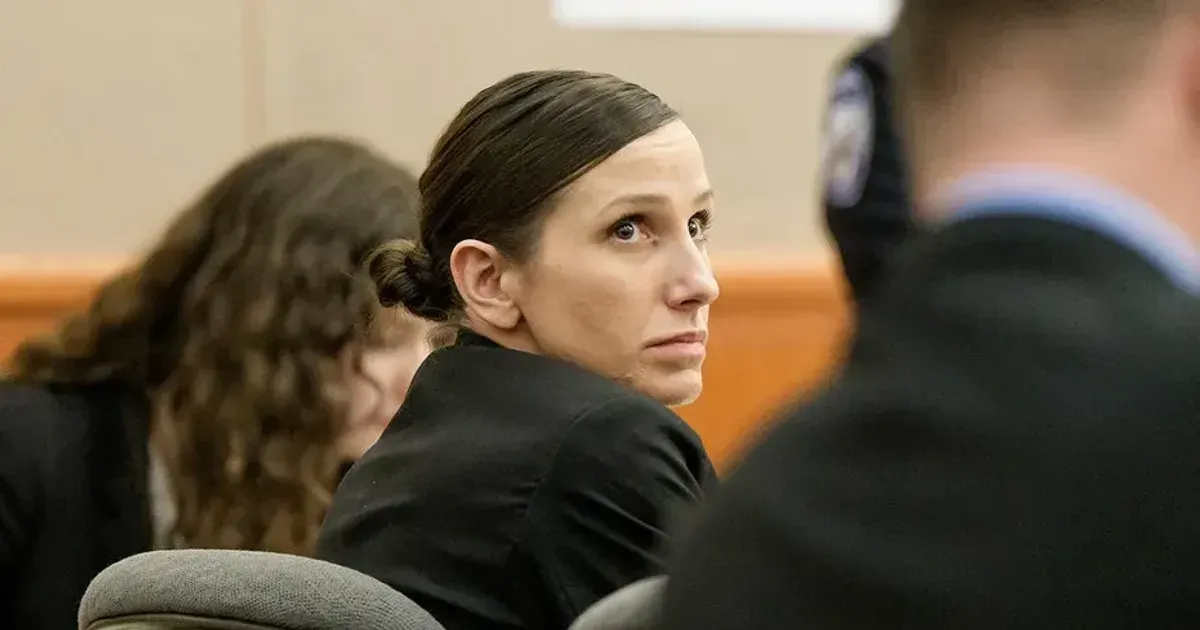
A Utah jury convicting Kouri Richins in her husband’s poisoning case closed one phase of a trial that had drawn national attention because of its family setting and grim allegations. The verdict shifted the story from courtroom testimony to sentencing, appeals and the public record left behind. The case also shows why courts move more slowly than public attention. A verdict can arrive in one night, but the record behind it is built from months of evidence, objections and instructions that shape what jurors are allowed to consider. The public may remember the most shocking details, but appeals courts tend to look at procedure. That colder review is part of why the case will not fully leave the legal system even after a jury verdict. That makes the next stage less dramatic but still important. Sentencing and appeal work will decide how the verdict is tested, recorded and eventually understood outside the courtroom.
Richins had been accused of poisoning her husband, Eric Richins, in a case that mixed domestic evidence, financial questions and the disturbing detail that she later wrote a children’s book about grief. The jury’s decision means prosecutors persuaded jurors that the evidence met the criminal standard.
The verdict does not end scrutiny. Defense attorneys can challenge legal rulings, evidentiary decisions or the way certain testimony was handled. Prosecutors, meanwhile, will argue that the conviction reflects a coherent pattern rather than isolated suspicion.
Trial Evidence Carried the Case
Jurors in poisoning cases often have to evaluate medical findings, timelines, digital records and witness accounts together. No single detail carries the whole burden. The state’s case depends on whether those pieces form a sequence strong enough to rule out reasonable doubt.
The local impact is also personal. Families connected to the case must now move from public trial coverage into the slower process of sentencing and possible appeals. That phase is less dramatic, but it determines how the verdict becomes final. The case drew attention partly because the public narrative was so disturbing, but the verdict turned on courtroom standards rather than fascination. Jurors had to decide whether the evidence proved intent, method and responsibility beyond reasonable doubt.
Poisoning prosecutions often rely on timelines and forensic interpretation. Medical testimony, digital records, financial details and witness statements can carry more weight together than any single dramatic fact. That is why the structure of the state case mattered. Sentencing will bring another round of legal argument. Prosecutors will emphasize the jury's conclusion and the gravity of the death. Defense attorneys may preserve issues for appeal and challenge how the court handled disputed evidence.
The community impact is different from the national attention. Local residents followed a case involving a family, a death and a legal process that unfolded in public. That kind of attention can leave a town with more exposure than closure.
The verdict gives the court a formal answer, but it does not make the story simple. The damage began long before the jury spoke and will continue long after the sentence is entered. The appeal process will now decide how much of the trial record remains open to challenge. That phase is slower and less visible than testimony, but it is where many high-profile convictions are tested most carefully.
A Verdict Is Not Closure
The blunt lesson is that true-crime attention can make a case feel resolved before the legal system is finished. A conviction matters, but it does not repair the private damage that made the case public in the first place. The court can assign guilt and punishment; it cannot turn a household tragedy into a clean narrative.
That distinction should stay visible as the case moves into the next stage.