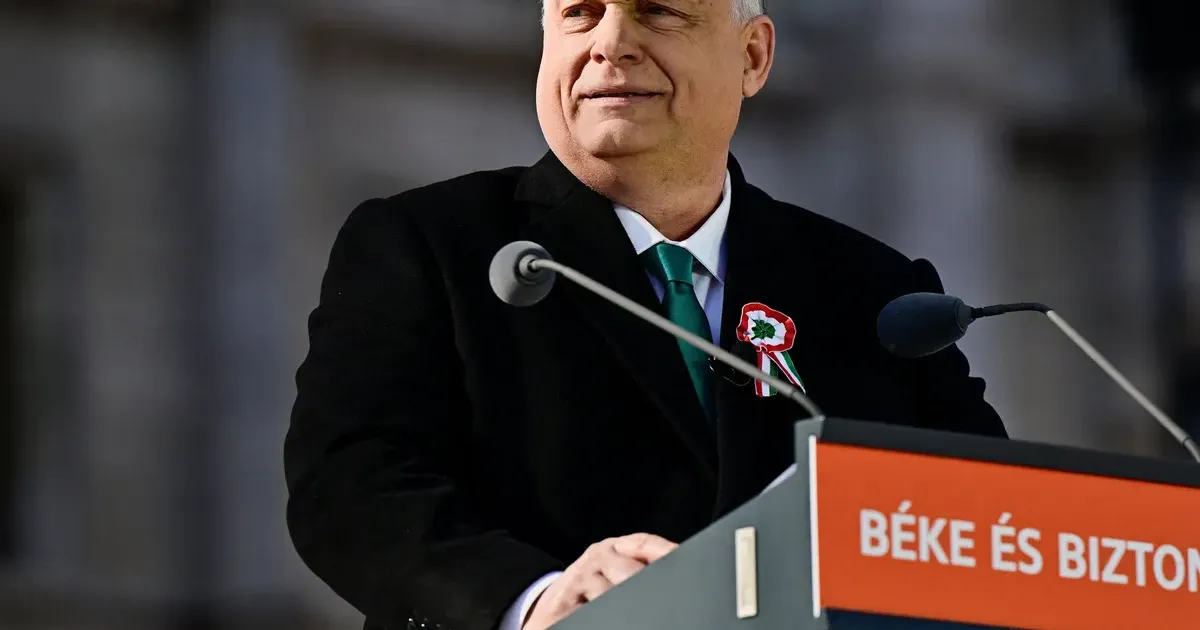
Viktor Orban's block on an EU loan package for Ukraine created another test of Europe's ability to finance Kyiv while managing internal dissent. The dispute linked wartime support to Hungary's energy security and domestic politics. The Brussels standoff showed how a single member state can slow a package that many other governments view as urgent.
Energy Politics Sit Behind the Veto
Hungary's position is tied to Russian oil transit and the cost of replacing supply routes. Orban has repeatedly argued that European decisions on Ukraine should not impose disproportionate economic pain on Hungarian consumers.
Critics see a different pattern: Budapest using unanimity rules to extract concessions while Ukraine faces immediate budget and defense needs. EU officials have become familiar with this problem, but familiarity does not make it simple. Workarounds can be legally complex, slower to implement and politically damaging if they deepen the sense that the bloc cannot act together. The longer the fight continues, the more it affects planning in Kyiv. Governments at war need predictable funding, not only supportive communiques.
A Funding Package Runs Into a Veto
The Orban veto is a reminder that European unity is often strongest in language and weakest in mechanism. Ukraine support depends on money moving on time, not only on summit declarations. The question is whether Brussels can preserve unanimity without giving every holdout a permanent veto over wartime policy. If it cannot, the EU will keep discovering that its financial power is larger than its decision-making speed. Ukraine's problem is not only the headline size of the loan.
It is the ability to plan budgets, procurement and defense support around money that arrives when promised. Delays can force Kyiv to make short-term choices that weaken longer-term planning. That is why each Brussels dispute has consequences beyond the summit room. Orban's leverage comes from EU rules, but the political cost is borne by the wider bloc. Every delay makes Europe look less capable of strategic action.
The question for Brussels is whether it can build mechanisms that preserve unity without allowing one government to slow every urgent package. Ukraine policy will keep testing that balance. The dispute also gives Moscow a political benefit even without changing the battlefield. Every European funding delay signals that Ukraine's support network can be slowed by internal bargaining. Other EU members know this, which is why frustration with Budapest tends to build quickly.
Why Orban’s Veto Hurts More Than the Loan
The bloc wants to show that Russia cannot wait out European fatigue, but repeated veto fights weaken that message. Some EU financial decisions require unanimity, giving a member state leverage over packages it opposes or wants to reshape. It can delay financing, complicate planning and force Brussels to search for legal or political workarounds. For Orban, the leverage is useful domestically. He can present himself as defending Hungarian energy interests against Brussels pressure.
For the EU, the challenge is preventing that domestic script from becoming a permanent obstacle to collective policy. The next signal will be whether other leaders offer a narrow concession or try to isolate Budapest procedurally. Either path has consequences, because too much compromise invites future vetoes while too much pressure can deepen the internal split. Ukraine needs the answer quickly, not after another ceremonial summit with familiar language and no money moving through the system.