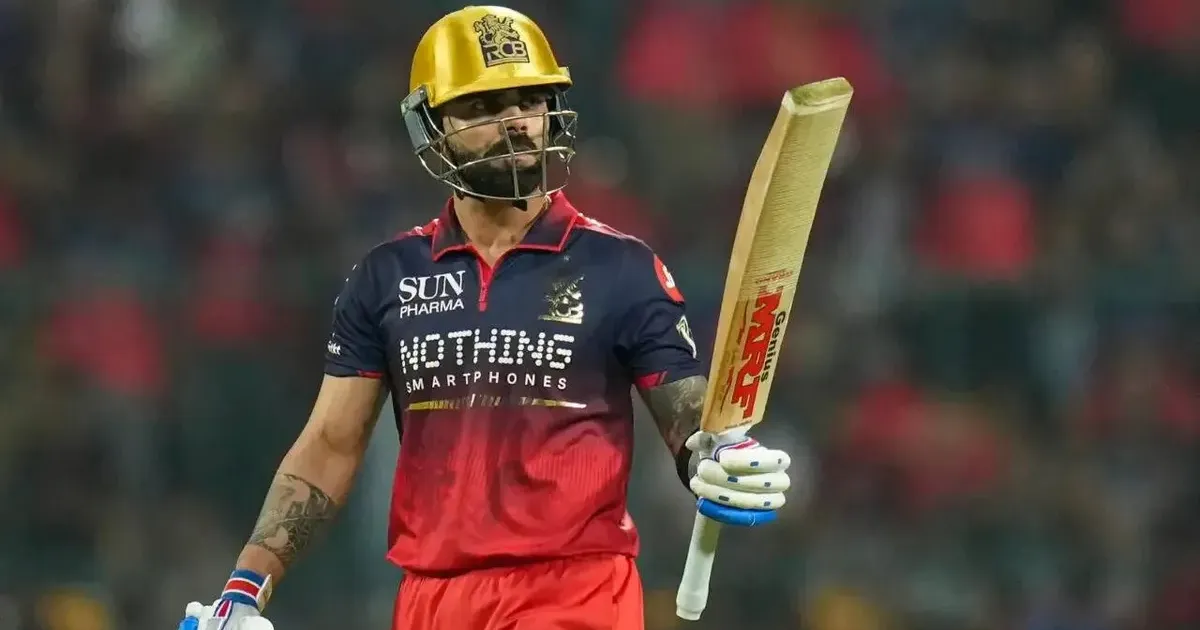
Virat Kohli and Devdutt Padikkal turned a demanding IPL chase into an early statement for Royal Challengers Bengaluru. The innings mattered because early-season IPL records can shape both reputation and selection narratives. Kohli’s start also gave Royal Challengers Bengaluru an immediate identity marker. That made the opener feel larger than one scorecard. The match unfolded on March 28, 2026, with Sunrisers Hyderabad setting a target above 200 and RCB reaching it with 26 balls left. For a side often judged by its tournament starts, the six-wicket win carried value beyond the two points. It also gave the dressing room a clean example of how quickly a chase can be settled when the senior batter and the aggressor understand their roles.
Kohli finished unbeaten on 69 from 38 balls, while Padikkal's 61 from 26 gave the chase its speed. Their 101-run partnership shifted the match from difficult to controlled before Hyderabad could reset its fields. The finish also gave Bengaluru a net run-rate cushion that can matter late in a crowded IPL table. Hyderabad had enough batting to make the target look competitive. Ishan Kishan's 80 kept the innings moving, but the middle order did not turn that platform into the 220-plus total that appeared possible. Jacob Duffy's 3 for 28 helped stop the acceleration at the point when SRH needed one more partnership.
RCB Wins the Tempo Battle
The most important part of the chase was not a single boundary but the refusal to let the required rate create pressure. Padikkal attacked early, allowing Kohli to manage the middle overs without slowing the innings. RCB reached the halfway point of the chase with enough control to treat the closing phase as a formality.
That approach marked a shift from the older version of Bengaluru batting, where two stars often had to carry the whole innings. This win looked more distributed. Kohli remained the central figure, but Padikkal's scoring rate gave the innings a shape that did not depend on late-over risk.
RCB also benefited from reading the conditions early. Dew made the ball come on more smoothly in the second innings, and the batting group responded by hitting through the line rather than forcing cross-bat shots. That detail matters because it turned what could have been a high-pressure chase into a controlled pursuit.
Kohli Adds Another IPL Marker
Kohli's night also mattered because it reinforced his longevity in a league that keeps getting younger and faster. The milestone around his career run tally was notable, but the more relevant detail was his strike rate. He scored quickly enough to answer the familiar criticism that senior batters can control a chase without accelerating it. There was also a small fielding subplot. A missed chance during the Hyderabad innings briefly threatened to become the story, but Kohli's batting removed that tension. In T20 cricket, reputations can swing within minutes; this time the correction came through a measured, unbeaten chase.
The milestone element should be read alongside that game situation. Records can become decorative in match reports, but Kohli's value here was practical: he kept the required rate under control, let Padikkal attack and then finished the chase without inviting the kind of collapse that often changes opening-night narratives.
RCB's Early Signal
The win does not make RCB a title favorite by itself. IPL seasons are too long, too tactical and too dependent on squad depth for one opener to carry that conclusion. It does show that Bengaluru has a more flexible batting order than the old top-heavy stereotype suggests.
For Hyderabad, the lesson is narrower. A total of 201 should create pressure, but it needs bowling discipline and a second batting surge to stand up against a side that starts quickly. RCB found both tempo and structure, while SRH had only bursts. If this version of Bengaluru can repeat the pattern, the win will look less like a first-night spike and more like a sign of a team that understands the arithmetic of modern T20 cricket.
The next question is whether the bowling unit can give the batting order similar chases more often. Duffy's spell was encouraging because it prevented Hyderabad from turning a strong innings into an overwhelming one. That middle-overs control may decide whether RCB's aggressive batting has enough support across the full season. The schedule will not allow every chase to be played with dew, a fast outfield and a batter in Kohli's rhythm. RCB still needs repeatable bowling plans for slower surfaces and opponents with deeper finishing options. That is why the opener should be treated as a model, not a verdict. It showed the correct balance between aggression and control, but the same balance has to survive travel, injuries and tactical counters from teams that now have fresh footage of Bengaluru's preferred tempo. The stronger signal is that RCB did not need a chaotic finish to validate the chase; it won by making the final overs almost irrelevant. The next match will show whether this was a repeatable structure or simply an opener played on ideal chasing terms. That early rhythm also gave RCB supporters a cleaner reason to believe the batting order could settle quickly.