Alternative Data Moves Into Wartime Trading
Wall Street's appetite for alternative data has moved from consumer habits into geopolitics. Fund managers are no longer waiting for official briefings when satellite feeds, vessel tracking and prediction markets can offer an earlier signal about war risk. The attraction is not certainty; it is a few minutes or hours of advantage before a wider market catches up to the same public record. On March 13, 2026, the same data streams were being used to price war risk, oil exposure and even awards-season probability.
Strikes in Iran by US and Israeli forces have unsettled oil, equities and rates since the beginning of the month. That mix sounds strange, but the trading logic is consistent: convert uncertainty into a number and move capital toward the side with better information. When the official picture is delayed, even an imperfect private signal can change position sizing.
Neudata and similar research firms now compile lists of vendors that can monitor refinery damage, tanker backlogs and infrastructure disruption. The appeal is simple: a fund that sees the physical damage first may trade before slower competitors understand the scale of the shock. In a market driven by energy supply fears, the first clear image of a damaged terminal can matter as much as a central bank statement.
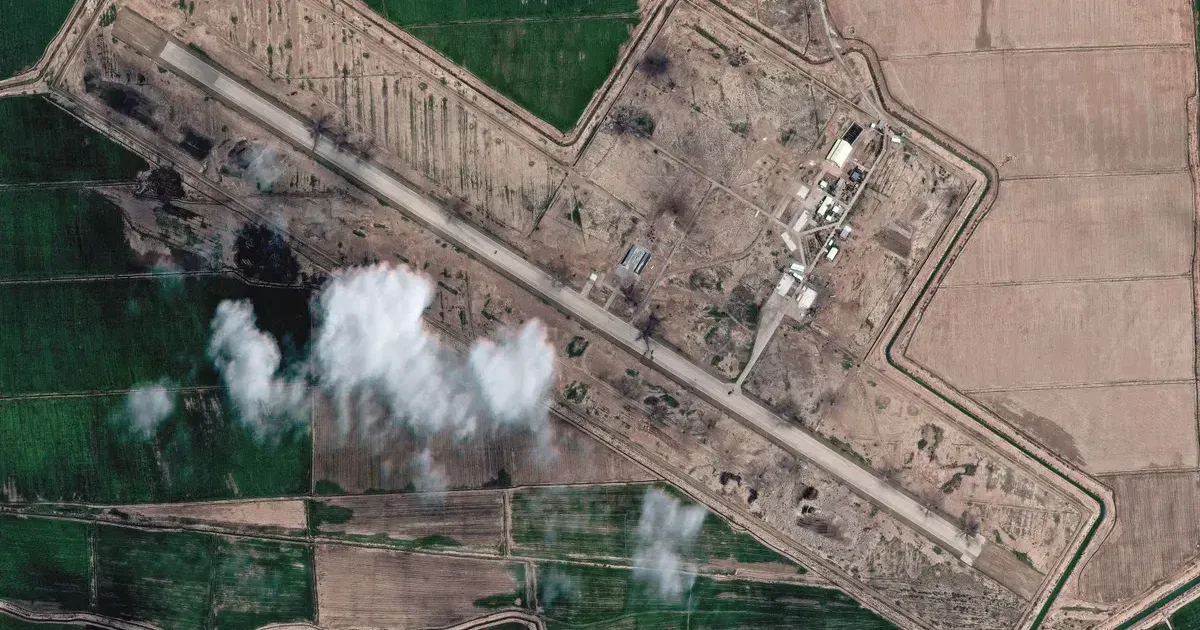
Satellite companies such as Vantor, Planet and Satellogic have become part of this market infrastructure. Their images can show smoke plumes, storage tank damage and port congestion with a clarity that traditional market commentary cannot match in real time. Vessel-tracking data then adds another layer by showing whether ships are waiting, rerouting or entering a risky corridor. Together, those feeds can turn a rumor into a tradeable thesis before ministries confirm the basics.
Prediction Markets Blur Finance and Spectacle
Prediction markets add a different kind of signal. Traders do not treat Oscar odds or war-resolution contracts as proof, but sudden price moves can reveal where informed or highly motivated money is gathering. The same habit that sends investors toward polling averages now sends them toward contract prices on political, military and cultural outcomes. These markets are often thin, but thin markets can still influence sentiment when conventional data is delayed or fragmented across conflicting reports.
The ethical problem is that the interface looks the same whether the subject is a damaged refinery or a film award. Public events become tradable numbers, and the context behind those numbers can disappear before the trade is even placed. A dashboard can flatten a humanitarian crisis, a supply shock and a red-carpet surprise into the same style of chart. That design encourages users to see volatility before they see people, institutions or consequences. It also rewards firms that can pay for private feeds while leaving ordinary investors and the public to react later.
Alternative data is not new; investors have long counted cars in parking lots or tracked credit card receipts. What is different now is the scale and sensitivity of the events being priced, especially when human suffering and energy security sit inside the same dashboard. The market is no longer just trying to anticipate earnings; it is trying to monetize the fog of conflict itself. That shift gives private vendors influence that used to belong mostly to governments, wire services and specialized energy analysts.
That does not mean the tools will vanish. It means regulators, exchanges and clients will have to decide how much transparency they expect when private data becomes a market-moving advantage in the middle of a geopolitical crisis. The harder question is whether speed alone should define intelligence when the fastest signal may also be the least accountable one. For investors, the temptation will remain obvious; for everyone else, the concern is that markets may learn to react to crisis faster than institutions can explain what actually happened. A system that prices the blast before it understands the damage can be efficient and morally thin at the same time, especially when accountability arrives only after the profitable move is already over.