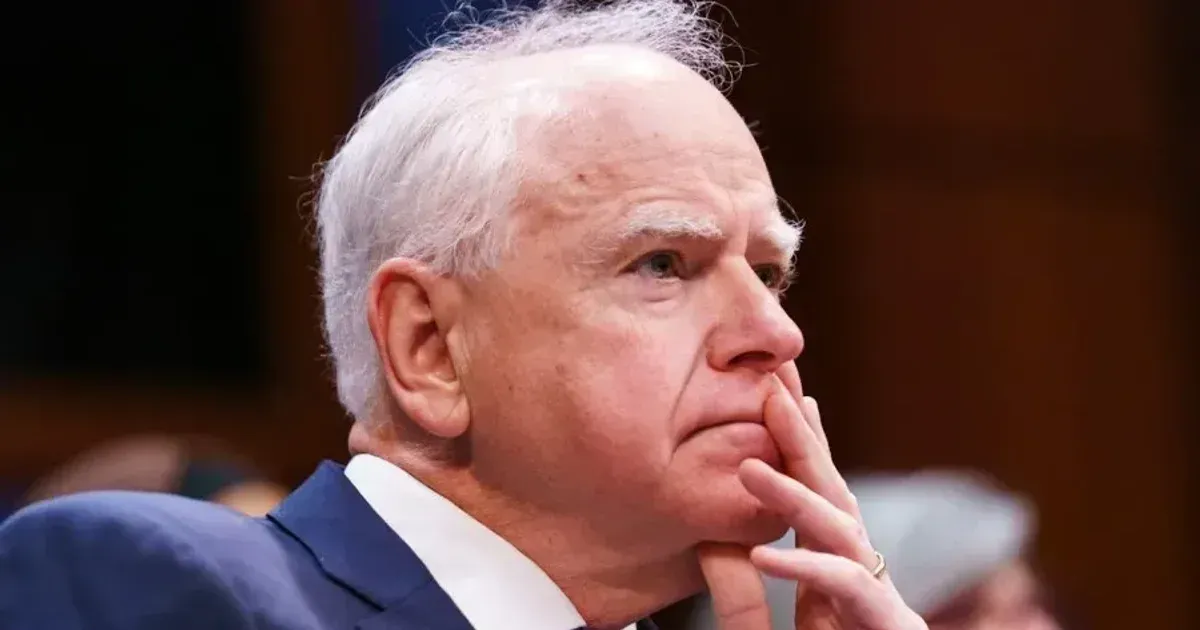
Tim Walz joined a Twin Cities rally against federal immigration raids, putting Minnesota's governor directly into a fight over enforcement and state authority.
Local organizers had been asking state leaders to show up in person, not only issue statements. The March 27, 2026, appearance followed weeks of tension around federal operations that local officials and immigrant-rights groups described as disruptive and intimidating. Walz framed the rally as a defense of communities rather than a symbolic protest.
Tim Walz has often criticized the administration's immigration tactics, but joining the crowd gave the dispute a more visible state-level face.
State Resistance Goes Public
The rally drew residents, labor organizers, faith leaders and elected officials who argue that federal raids are damaging trust in schools, workplaces and local police. Their concern is practical as well as political: frightened residents may avoid public services. Minneapolis has become a focal point because city and state leaders are trying to protect local priorities while federal agencies assert national enforcement authority. Walz's presence will likely be welcomed by supporters who want a sharper response. It will also draw criticism from opponents who say governors should not stand in the way of federal immigration law.
Legal and Political Lines
The conflict is partly about what states can refuse to do. Minnesota cannot erase federal authority, but it can limit cooperation, challenge tactics in court and set rules for state agencies. Federal immigration operations are therefore becoming a test of both law and political identity. Each raid creates a local story, while each protest becomes part of the national argument. For Walz, the rally offered a way to show solidarity without pretending the state can solve the entire immigration system. The harder work will come in policy details, lawsuits and budget choices. Walz's decision to attend changed the protest's political weight. A rally led only by activists can be dismissed by opponents as pressure politics. A rally joined by a governor becomes part of the formal argument between state government and federal enforcement power.
The practical complaints from residents are specific. Families fear school drop-offs, workers fear job-site sweeps, and local officials worry that victims or witnesses will avoid contacting police. Those concerns can weaken public safety even when federal agencies say they are enforcing the law. Republicans are likely to argue that Walz is siding with obstruction over enforcement. Democrats will argue that the administration is using raids as a political tool rather than a targeted response to genuine threats. That divide gives the issue national campaign value.
Minnesota's legal options are real but limited. The state can set rules for its employees, fund legal support, challenge specific tactics and refuse voluntary cooperation in some contexts. It cannot simply block federal officers from carrying out lawful operations. That is why the rally was both symbolic and strategic. Walz used the public setting to show alignment with affected communities, while the actual fight will continue through court filings, agency rules and negotiations with local governments. The protest also reflects a broader Democratic strategy in states resisting the administration. Governors cannot rewrite federal immigration law, but they can shape the operating environment by controlling state resources, setting cooperation policies and making enforcement politically costly.
For immigrant communities, visibility cuts both ways. A large rally can make residents feel supported, but it can also draw national attention to neighborhoods already feeling exposed. Organizers have to balance public pressure with the privacy and safety of families directly affected by raids. Walz's next moves will matter more than the rally image. Legal aid funding, agency guidance, school policies and coordination with city officials will show whether the appearance becomes part of a governing response or remains a one-day statement. A governor's presence can raise visibility, but implementation determines whether fearful families experience any real protection afterward.
That implementation test will matter more than the rally photograph. Communities affected by raids need to know which protections are real, where to find legal help and how state agencies will behave when federal pressure increases. Walz is trying to draw a line between opposing aggressive federal tactics and rejecting immigration enforcement altogether. That distinction will shape how the rally is read beyond Minnesota.