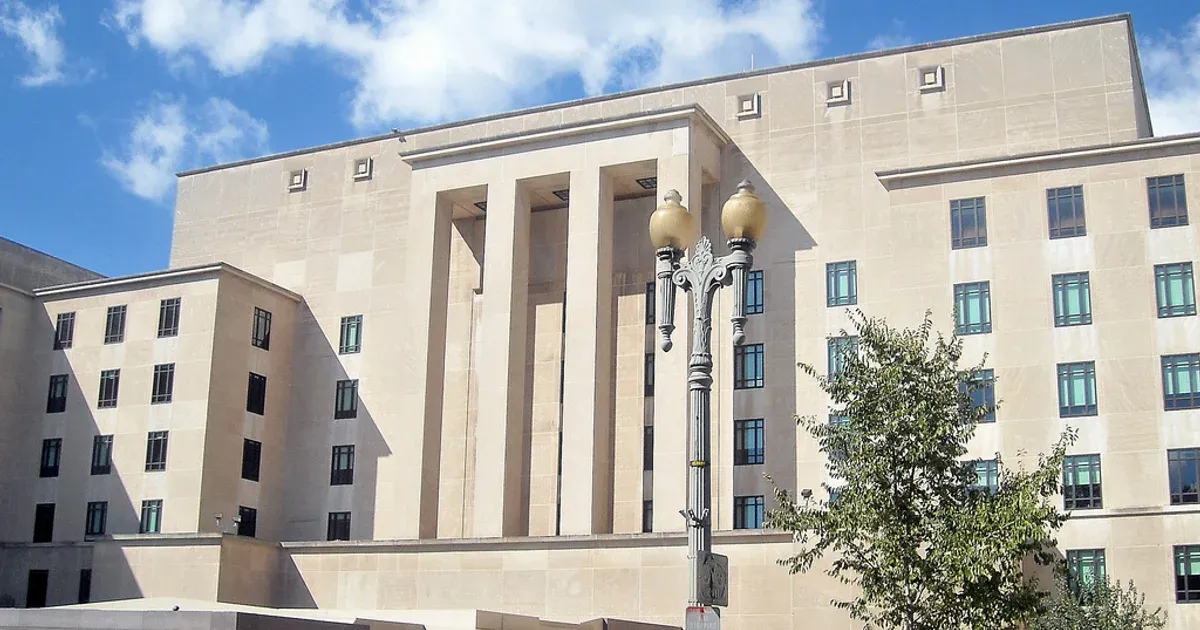
Washington is divided over whether diplomacy can still provide a credible exit from the Iran crisis, with lawmakers and officials arguing over the balance between pressure, deterrence and talks. The debate sharpened as military alerts, oil-market anxiety and allied consultations made the cost of miscalculation harder to ignore. The split is not simply partisan. It runs through the national-security establishment itself. By March 12, 2026, one camp argued that Tehran only responds to pressure and that any diplomatic opening must follow a clear demonstration of force. Another warns that pressure without a defined off-ramp can trap both sides in escalation. Those positions are familiar, but the current environment makes them more dangerous because military and economic consequences are already visible.
Pressure Needs an Exit Door
Coercive diplomacy depends on two parts: the threat of pain and the promise of relief if behavior changes. Washington often emphasizes the first part more clearly than the second. If Iran believes concessions will not produce sanctions relief or security guarantees, it has less incentive to move. Iran diplomacy also depends on intermediaries. Qatar, Oman, European governments and regional partners may be able to pass messages that Washington and Tehran cannot exchange publicly. Those channels are most useful when both sides know what a possible deal would actually include.
Congress Reads the Crisis Through Different Risks
Some lawmakers fear that a softer diplomatic line would reward Iranian aggression or weaken support for Israel and Gulf partners. Others fear that open-ended military pressure will produce another conflict with no clear end state. Both fears have political force. The problem is that policy cannot be built by choosing only one of them. Congress also controls funding, oversight and war-powers pressure. If the administration expands military action without a convincing diplomatic strategy, lawmakers may demand votes, hearings or limits. If the administration appears too eager for talks, critics may accuse it of signaling weakness.
Officials described the diplomatic channel as active but fragile, with no guarantee that either side would accept the political cost of compromise.
Allies Want Clarity From Washington
European governments generally prefer a negotiated exit because they are exposed to energy shocks and migration pressure. Gulf states want deterrence but also fear attacks on their infrastructure. Israel may prioritize degrading Iranian capabilities over a quick diplomatic pause. Those allied interests overlap, but they are not identical. The White House therefore has to speak to several audiences at once. A message designed to reassure Israel may alarm Gulf capitals. A message designed to calm oil markets may look too soft to hawks in Congress. A message designed for Tehran may be impossible to sell at home.
The Cost of Drift Is Rising
The most dangerous outcome is not a single bad meeting. It is drift. If military deployments continue, sanctions tighten, oil prices rise and back-channel talks remain vague, the crisis can acquire momentum of its own. Each side may then take steps meant as signals that the other reads as preparation for attack. A credible diplomatic exit would need sequencing: what Iran does first, what Washington does in response, how verification works and what regional allies are told. Without that architecture, calls for talks remain slogans and calls for pressure remain incomplete.
Washington's division is understandable because every option is flawed. But indecision has its own policy content. In a crisis this combustible, failing to define the exit can become a decision to let events define it instead. The administration also has to manage military signaling. Deployments can reassure allies and deter attacks, but they can also convince Tehran that Washington is preparing for a broader strike. The difference between deterrence and provocation often depends on messages delivered privately through intermediaries. Domestic politics make those messages harder to sustain. A quiet offer can be attacked publicly before it has time to work. A public threat can become a position officials are afraid to soften later. That is how rhetoric narrows policy space.
Energy prices add urgency to the debate. Lawmakers who might treat Iran policy as a strategic argument in calmer times now face constituents worried about fuel, inflation and military risk. That gives diplomacy an economic constituency, not only an antiwar one. The Israeli government's calculations further complicate Washingtons choices. Israel may see time as dangerous if it believes Iran is rebuilding or hardening military capabilities. The United States may agree on the threat while disagreeing about how much escalation the region can absorb. Iranian politics matter too. Leaders in Tehran must weigh the domestic cost of appearing to negotiate under pressure. If concessions look like surrender, hardliners can block them. If pressure eases without concessions, Washington hawks will claim diplomacy failed before it began.
That is why sequencing is not a technical detail. It is the substance of any exit. A small Iranian step, a limited sanctions waiver, third-party verification and regional deconfliction measures could create momentum. Without such steps, every side waits for the other to move first. The debate in Washington will not disappear because it reflects real uncertainty. The danger is allowing uncertainty to become paralysis. A flawed diplomatic path may still be safer than a crisis managed only by military tempo and public threats.
The administration may try to keep the diplomatic track quiet while letting military pressure remain visible. That dual approach can work only if the private messages are precise. Mixed signals can convince Tehran that Washington is divided or that no concession will be honored. The public debate should therefore focus less on whether diplomacy sounds satisfying and more on whether it has a mechanism. A hotline, an intermediary, a verified pause or a limited sanctions step can matter more than a sweeping speech. Without mechanisms, strategy becomes posture.
A diplomatic exit would also require language each side can survive politically. Washington may need to describe concessions as verification, not trust. Tehran may need to describe limits as sovereign choice, not capitulation. Those rhetorical details can sound cosmetic, but they often determine whether leaders can sell a deal at home. The longer Washington waits to define those mechanics, the more the crisis will be shaped by events outside its control.