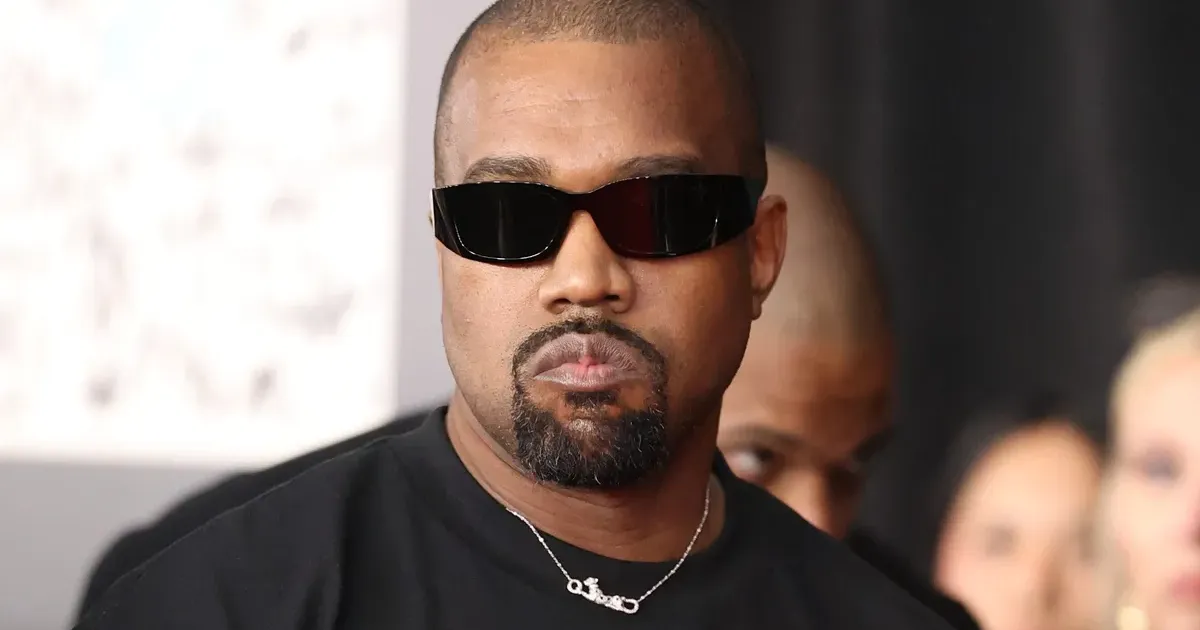
Ye's mixed Malibu verdict shows that celebrity property investments can carry legal costs as heavy as architectural ambition. The verdict landed on March 11, 2026.
Ye Loses the Case but Limits the Damage
Los Angeles jurors delivered a split decision on Wednesday that left both sides of a high-profile property dispute claiming a version of victory. Ye, the artist formerly known as Kanye West, was found liable in a trial involving the gut-renovation of his Malibu mansion. But the financial sting was far less than the plaintiff had anticipated. Tony Saxon, a project manager who oversaw work on the property, sought millions in damages for labor violations and unsafe conditions. Instead, the jury awarded him exactly $140,000, plus legal fees and court costs. The verdict turned a celebrity property dispute into a warning about architecture, labor, and liquidity. Saxon claimed during the proceedings that he was forced to work in grueling environments while the musician attempted to transform a $57 million Tadao Ando-designed home into a minimalist concrete bunker. These demands included removing all windows and electricity from the structure. Legal documents detailed a project that moved from architectural ambition to a state of skeletal abandonment. While Ye's legal team sought to minimize the claims, the jury found enough evidence of liability to mandate a payout. Still, the modest sum suggests the jury was not entirely convinced by the scope of the damages Saxon alleged.
This legal outcome suggests that even for a billionaire, the cost of custom architecture is often paid in the courtroom rather than the bank. Ye purchased the property in 2021, and its subsequent decay became a fascination for real estate watchers and architectural critics alike. Stripping a masterpiece of its basic utilities rendered it nearly uninhabitable, leading to a listing price that has plummeted since the initial purchase.
Malibu Becomes a Legal Sinkhole
Money spent on litigation now outpaces the investment in actual construction materials. Malibu property records show the residence has sat in various states of disrepair for years. Saxon argued that he was required to sleep on the floor of the construction site while guarding the property. He alleged that his complaints about safety were met with dismissal. The defense countered by portraying Saxon as an opportunist seeking a massive windfall from a famous client.
By awarding only a fraction of the requested millions, the jury signaled a middle ground that acknowledges labor lapses without rewarding the plaintiff's highest ambitions. The math doesn't add up for a property that once represented the pinnacle of Japanese brutalism in California. Publicity surrounding the trial has further tarnished the image of the Ando house. Once a symbol of refined taste, it now sits as a cautionary example of what happens when celebrity whims collide with building codes and labor laws. Critics of the artist suggest that his obsession with aesthetic purity led to a total disregard for the human cost of the renovation.
Saxon's attorneys have indicated they will pursue the recovery of legal fees, which could sharply increase the final bill for the musician. Financial instability in the celebrity world is not limited to the eccentricities of the ultra-wealthy. Mickey Rourke, the Oscar-nominated star of The Wrestler, faces a different kind of housing crisis.
Rourke Shows the Other Side of Fame
Los Angeles authorities recently processed an eviction notice for Rourke after he failed to pay nearly $60,000 in back rent for his home. Such a public fall from grace for a man who once headlined major studio films highlights the fragile nature of Hollywood wealth. This specific figure of $60,000 might seem small compared to Malibu real estate, yet it is a terminal failure of personal liquidity. Rourke has remained vocal about his situation, though his statements have often confused the public narrative. A GoFundMe campaign recently surfaced to assist the actor, raising approximately $90,000 from sympathetic fans.
Rourke later distanced himself from the effort, claiming he was not involved with the setup of the fundraiser. This disconnection between a celebrity's perceived needs and their public denials creates a murky picture of who is actually managing these estates. Property values do not care about Oscars. Renters in high-end Los Angeles neighborhoods often find that the shadow of past fame does not provide much use when the monthly checks stop clearing. Rourke's eviction is a symptom of a broader trend where veteran actors struggle to maintain the lifestyles established during their peak earning years.
While Ye battles over the philosophical details of a concrete shell, Rourke is fighting to keep any roof at all.
Why Celebrity Assets Collapse So Publicly
Why do we continue to equate artistic eccentricity with a license to ignore the basic rules of civil society? The spectacle of Ye gutting a $57 million architectural masterpiece and Mickey Rourke failing to cover a $60,000 rent bill is more than a gossip item. It is an indictment of the sycophancy that surrounds these icons until the moment the money runs dry. Ye's Malibu disaster is a monument to the "yes-man" culture. No one in his inner circle had the courage to point out that living in a windowless concrete box without electricity is not a lifestyle choice but a mental health crisis manifesting as real estate.
The GoFundMe circus surrounding Rourke shows a desperate attempt by fans to subsidize a lifestyle that the industry no longer supports. We should stop romanticizing the "tortured artist" trope when it results in unpaid workers and empty bank accounts. Financial literacy is not a bourgeois constraint on genius. It is the floor that prevents a high-profile life from collapsing into a public tragedy. If you cannot afford the rent or the windows, you are not a visionary.
Similarly, the GoFundMe circus surrounding Rourke shows a desperate attempt by fans to subsidize a lifestyle that the industry no longer supports.
You are just another person who failed to plan for the inevitable end of the limelight.