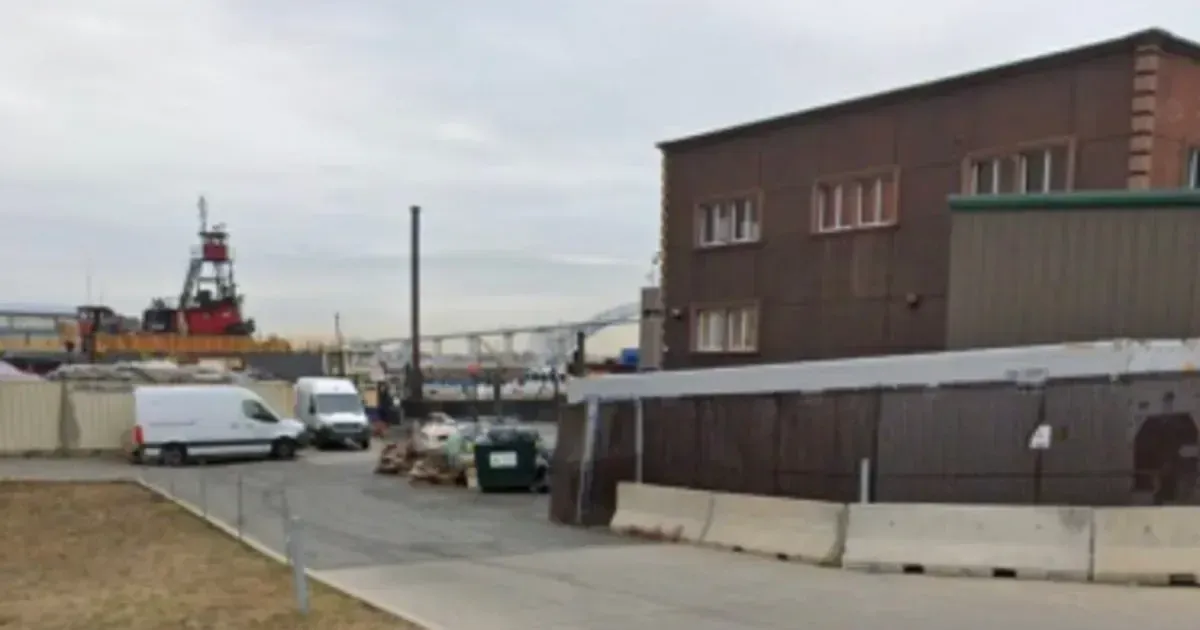
Rescue crews rushed to a New York City shipyard on Friday evening when a huge explosion on a barge sent plumes of smoke over the waterfront. Officials said the blast triggered a multi-alarm fire that required a large deployment of specialized maritime resources. By May 22, 2026, city agencies were still securing the site and assessing the injured responders. Initial reports suggest the explosion occurred while workers were present, leading to a frantic effort to evacuate the immediate vicinity of the dock. First responders established a perimeter as the fire threatened nearby industrial structures and vessels.
Data provided by the New York City Fire Department indicates that 13 firefighters were wounded during the suppression operation. These injuries occurred as crews attempted to board the barge and establish cooling lines to prevent further structural failure. Emergency medical personnel also treated two EMS workers who were caught in the initial aftermath of the blast. One civilian, who was reportedly near the site of the explosion, also required immediate medical attention. The density of industrial infrastructure in the area complicated the initial approach for ground-based units.
Medical updates from CBS indicate that the severity of injuries varies across the rescue teams. Two firefighters and the lone civilian suffered serious injuries that required transport to local trauma centers. While the total number of hurt individuals reached 16, several responders were treated at the scene for minor smoke inhalation and heat exhaustion. Medical teams prioritized those with blast-related trauma as the primary fire was brought under control. The department has not yet released the specific names of the injured personnel pending family notifications.
Firefighters encountered unique challenges due to the maritime nature of the incident. Shipyard fires often involve high-voltage equipment, flammable fuel reserves, and restricted access points that hamper traditional firefighting tactics. Marine divisions deployed fireboats to provide high-volume water suppression from the harbor side, which helped contain the spread of flames to adjacent barges. Metal hull integrity remains a primary concern for investigators who must wait for the structure to cool before boarding. Shore-based units worked alongside harbor patrols to manage the hazardous runoff from the site.
Industrial Safety and Marine Firefighting Challenges
Industrial shipyards are high-risk environments where maintenance activities often coincide with the storage of volatile materials. The Occupational Safety and Health Administration maintains strict guidelines for hot work, such as welding and grinding, which are common causes of accidental ignitions in maritime settings. Investigators are expected to review recent maintenance logs for the barge to determine if any safety protocols were bypassed before the blast. Previous safety audits of NYC shipyards have highlighted the difficulty of maintaining aging infrastructure against modern fire safety requirements.
Shipyard operators must coordinate closely with municipal fire services to ensure that emergency access remains unobstructed at all times. A delay of even a few minutes can allow a barge fire to reach critical temperatures that lead to catastrophic structural failure or secondary explosions. The presence of multiple emergency responders among the injured highlights the inherent dangers of operating in confined, smoke-filled spaces on waterborne vessels. Protective gear designed for structural fires can sometimes become a hindrance in the slippery, unstable environment of a burning ship.
Shipyards serve as critical nodes in the local economy, supporting hundreds of jobs and essential transport logistics.
Ongoing Investigation into Barge Operations
Investigators from the U.S. Coast Guard and local arson units have begun a preliminary review of the site. They are focusing on the cargo or equipment that was stored on the barge at the time of the explosion to identify potential ignition sources. Security camera footage from surrounding businesses is being collected to establish a precise timeline of the events leading up to the disaster. Coordination between federal and local agencies is standard for maritime incidents involving serious casualties or infrastructure damage. Formal findings usually take several weeks to compile as forensic teams analyze debris and chemical residue.
Port authorities have temporarily suspended traffic near the affected pier to allow for environmental testing and debris removal. Concerns regarding oil or chemical leaks into the harbor have prompted the deployment of containment booms around the charred remains of the barge. While initial air quality tests near the shipyard were within acceptable limits, officials continue to monitor the situation for residents in downwind neighborhoods. Recovering the vessel is the next priority for the shipyard owners, a task that requires heavy-lift cranes and specialized salvage teams.
Public safety remains the priority for city leaders who are monitoring the recovery of the injured first responders.
Urban Shipyard Safety Review
Could the density of urban industrial zones be reaching a breaking point for emergency response capacity? This incident in New York City exposes the fragile equilibrium between active maritime commerce and the safety of the municipal personnel who protect it. While the city prides itself on a world-class fire department, the injury of 13 firefighters in a single event suggests that current mitigation strategies for industrial explosions may need a rigorous overhaul. The physical constraints of NYC shipyards, often nestled against residential or commercial hubs, leave very little margin for error when heavy machinery or volatile chemicals are involved.
Regulatory scrutiny will likely pivot toward the private operators of these barges and the frequency of their internal safety inspections. If the investigation reveals that maintenance lapses contributed to the blast, the legal consequences could reshape insurance requirements for the entire regional maritime sector. Beyond the immediate trauma, the financial fallout of such accidents often leads to increased operational costs and stricter zoning laws that could push industrial activities further from the city center. The cost of maritime safety is often written after preventable disasters. The shipyard’s safety record will likely face review before damaged sections return to normal work.