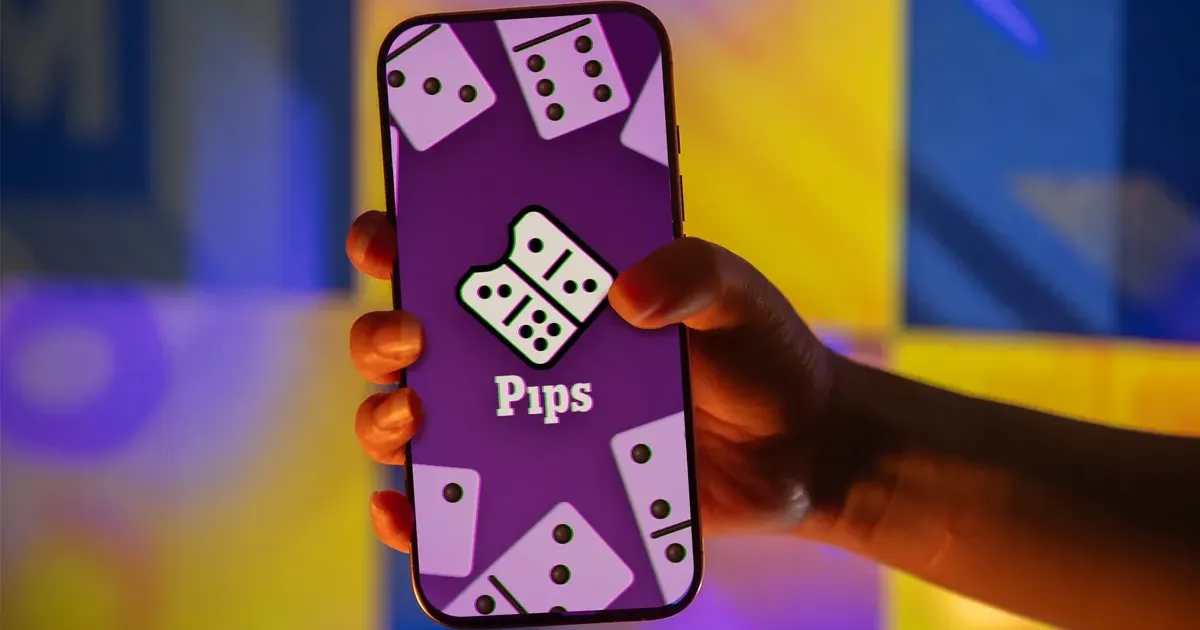
New York Times puzzles are expanding again because the company keeps looking for small daily habits that can sit beside its journalism. A Dominoes game and sports-themed products point to a broader attempt to meet readers through routine rather than only through headlines. New York Times puzzles were being tied to Dominoes, sports habits and subscriber retention. The strategy works when each puzzle has a distinct rhythm and does not feel like a copy of the last hit. The New York Times is extending daily puzzles into dominoes and sports themes. The strategy relies on quick habits that bring readers back without a full news session. The expansion works only if each game has its own reason to exist. Otherwise a habit loop can become clutter rather than loyalty.
That is harder than it looks because casual games need a low barrier and enough personality to earn repeat visits. The sports angle gives the company another route into communities that already compare scores, streaks and predictions.
If the mix grows too crowded, though, the clean daily habit can start to feel like a menu problem.
The Times can use dominoes and sports themes to test how far a puzzle habit can stretch without feeling crowded.
Why Puzzles Keep Expanding
Dominoes and sports themes also let the product team reach readers who may not identify as crossword loyalists.
The key is keeping the challenge short enough for daily use while still giving players a reason to compare results.
Games Build a Habit Loop
The Times does not need every puzzle to become a cultural event. It needs enough small daily reasons for readers to open the app, finish a task and return tomorrow. Dominoes and sports themes widen that loop without asking for a long session.
The Times puzzle strategy depends on keeping each game distinct. Dominoes and sports themes can widen the habit loop, but only if readers do not feel they are being handed the same product in a new wrapper. The strongest puzzle products feel quick, personal and worth returning to without a push alert.
What The Times Learns
For the Times, the important part is whether those themes create repeat visits from readers who might not open a news story first. A puzzle can be a small habit, but small habits become valuable when they happen every day and keep users inside the same subscription ecosystem. The puzzle expansion also gives editors a low-risk way to test themes that are not tied to breaking news. If dominoes or sports puzzles hold attention, the lesson is that readers will accept a wider games portfolio as long as each product has a clear daily purpose. That makes discovery, difficulty and repeat play more important than the number of new titles launched.
That balance is important because games can lose value if they become a crowded menu rather than a clear routine. The strongest additions will be the ones that make readers feel they have discovered a new habit, not another notification competing for attention. For a publisher, that distinction can determine whether a puzzle becomes a durable subscription asset. That is the retention test now. The retention test now is whether those players return without needing a news hook or a promotional push from the front page.