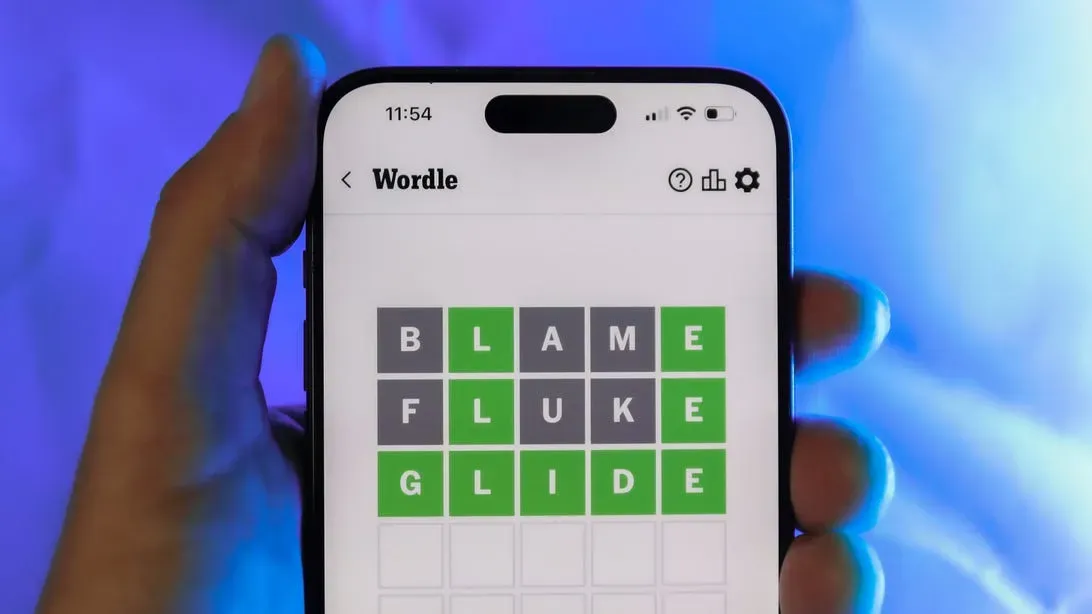
New York Times puzzles have become a modern morning ritual for millions of players who open Wordle, Connections, Strands or the Mini before reading anything else. The games are short, repeatable and social, which makes them unusually powerful as a media habit. The appeal is different from news. A reader may avoid politics, markets or war coverage on a stressful morning, but a puzzle streak feels manageable.
Games Build a Softer Habit
That has made games a softer path back into the Times ecosystem.
The daily puzzle package again showed how a media company can turn language play into routine attention. Puzzles travel because they are easy to discuss without spoiling the whole experience. A grid, a score, a hint or a near miss can move through group chats in a way traditional articles rarely do. The product also gives the Times a valuable emotional register. News can be urgent or exhausting; games can be competitive, communal and low-stakes.
Games Become a Daily Newsroom Habit
That balance helps the company keep users close even when the news cycle is heavy. The puzzle habit also gives the Times a lower-friction entry point for younger users. Someone who would not subscribe for politics may still build a daily relationship through Wordle or Connections before exploring the rest of the product. That matters because news organizations are competing for routine, not only attention. A morning puzzle can become part of the same behavioral slot as coffee, messages or checking the weather.
The company still has to protect the tone of the games. If puzzles feel over-monetized or too aggressively optimized, the casual pleasure that made them popular can weaken. The strongest product lesson is restraint. The games work because they are finite, shareable and small enough to fit into ordinary life. The newsroom advantage is subtle.
A games user who opens the app daily is already inside the company's environment when a major story breaks, which can make the transition from play to news easier. The puzzle portfolio also creates data about habit without requiring the emotional intensity of news engagement. That can help product teams understand retention while preserving a lighter user experience. Competitors can copy individual formats, but the Times benefits from scale and trust. Players believe the daily puzzle will arrive, work cleanly and be part of a shared conversation.
Why the Puzzle Habit Matters
The risk is dilution. Too many games or too many prompts can turn a calm ritual into another attention trap, weakening the simplicity that made the habit valuable. For editors, the balance is delicate because games should not feel like a substitute for journalism. The stronger model is complementary: a light daily ritual that keeps the relationship alive until the reader wants deeper reporting. That relationship is valuable because subscriptions are built from repeated reasons to return.
A single investigative story may persuade someone to subscribe, but a daily game can help make the subscription feel used. They bring users back every day, creating repeat engagement that can support broader subscription value. The value of the puzzle portfolio is not only the answers. It is the ritual. A few minutes of daily attention can be more durable than a single viral article.
The Times has built a language product that supports the broader subscription business. The challenge is keeping the games fresh without making them feel engineered only for retention metrics.