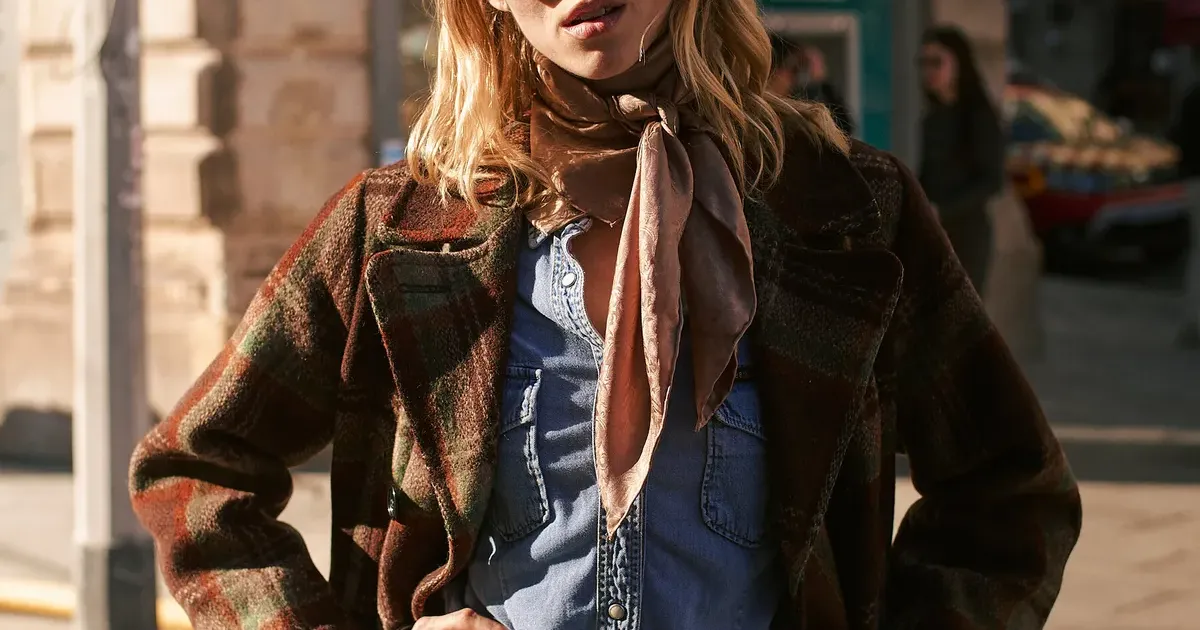
Zendaya turned the cobblestone streets around the Tuileries Garden into a fashion event when she stepped out during Paris Fashion Week. The report was published March 12, 2026, as celebrity arrivals continued to blur the line between runway coverage and street-style spectacle. Editors, fans and photographers gathered around the show circuit because the walk from car to venue has become part of the presentation itself.
The look worked because its proportions, movement and color were legible from every angle. That matters in a fashion cycle where a few seconds of sidewalk footage can travel faster than a formal runway review. The outfit was not just clothing; it was a media object designed to survive still photos, short clips and close public scrutiny.
The moment worked because the styling was legible from every angle: silhouette, movement and color all translated instantly to photographs and short clips.
Luxury brands have recognized that the sidewalk is now their most effective billboard. Historically, the arrival of a celebrity at a fashion show was a logistical hurdle to be cleared as quickly as possible. In 2026, the arrival is the event. Sources from major houses like Louis Vuitton and Dior suggest that the social media impressions generated by a five-minute walk from a black SUV to the venue doors often outweigh the impact of the thirty-minute runway presentation itself. Bloomberg recently reported that engagement metrics for street-side celebrity arrivals have increased by 40 percent over the last two fashion cycles. Designers now specifically create pieces intended to catch the wind and the eye of the street-style photographer, focusing on movement and 360-degree visual appeal.
The Sidewalk Becomes the Runway
Photographers have transformed from fringe observers into the architects of brand perception. These professionals, many of whom have spent decades documenting the evolution of PFW, note that the 2026 season feels different because of its unapologetic extravagance. Years of quiet luxury and muted tones have given way to a desire for the theatrical. Bill Cunningham once remarked that the best fashion show is on the street, and today his observation has become the foundation of a multi-billion dollar marketing engine. The interaction between the subject and the lens has become a choreographed dance. Fans who traveled from as far as Tokyo and New York lined the metal barricades for hours, hoping for a glimpse of the icons who dictate global trends.
Extravagance did not end with Zendaya. Other notable figures appeared in outfits that balanced the line between costume and daily wear. One prominent actress arrived in a structured wool coat that featured hand-painted motifs, while another chose a sheer silk dress that seemed to float despite the brisk March wind. These choices reflect a broader cultural movement toward joy and carefree expression. Critics from various publications have noted that the 2026 collections represent a rejection of the austere aesthetics that dominated the early 2020s. People want to see clothes that tell a story, even if that story only lasts for the duration of a city block.
Luxury houses now treat the sidewalk as an extension of the runway, especially when a celebrity arrival can travel faster online than a formal show review.
Why the Look Travels
Zendaya’s Paris appearances show how thoroughly street style has become part of the fashion business. The outfits may look spontaneous, but the modern publicity cycle turns hotel exits, sidewalk photos and social clips into coordinated brand moments. That does not make the clothes meaningless; it does mean the coverage should treat them as image-making, not accidental candids.