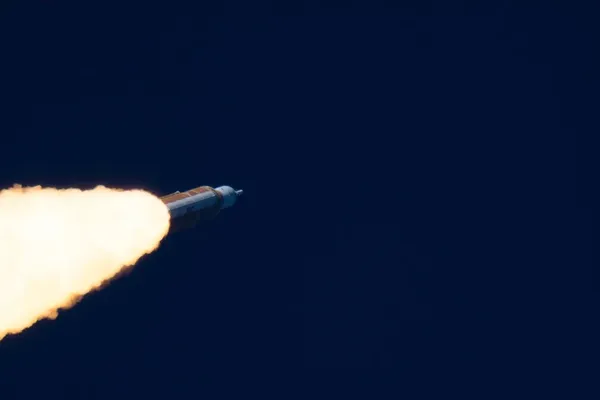
AROW Turned Artemis II Distance Into Public Evidence
NASA's AROW tracker made Artemis II's record distance visible to the public, but the mission's value still rests on Orion data and safe return.
Showing 49-60 of 177 articles
NASA's AROW tracker made Artemis II's record distance visible to the public, but the mission's value still rests on Orion data and safe return.
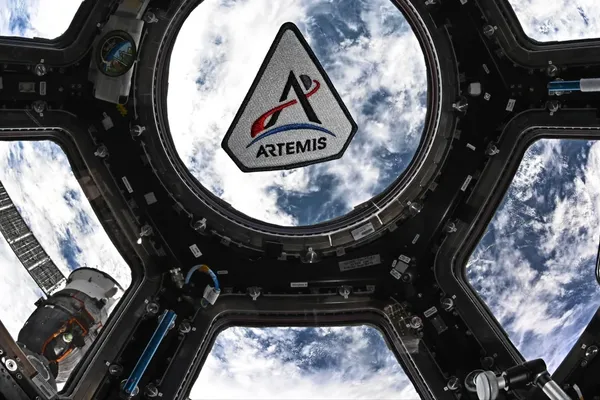
NASA's Artemis II toilet fault gave engineers real flight data on Orion habitability, waste handling, airflow and crew workload.
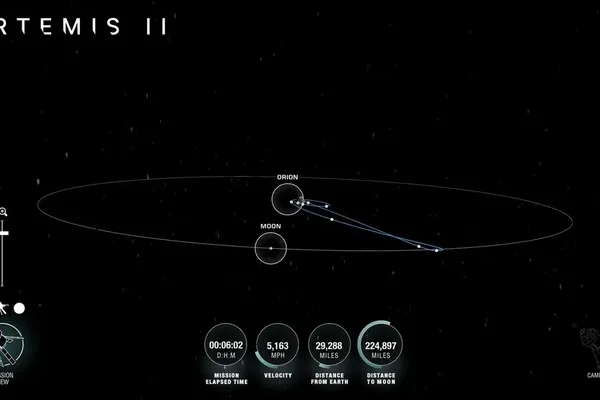
Artemis II's completed lunar flyby gave NASA a crewed Orion systems test, a 252,756-mile human distance record and new pressure on Artemis III.
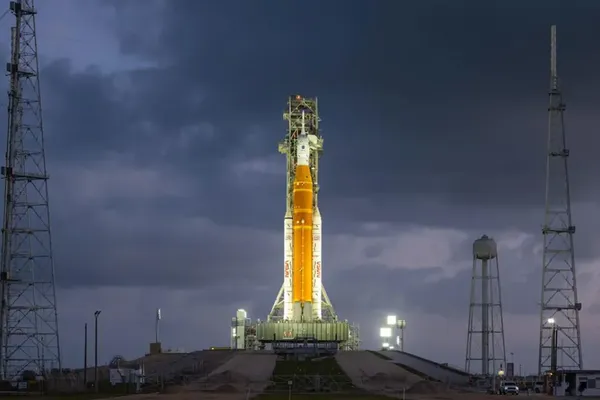
Artemis II safely completed its crewed lunar flyby, breaking distance and streaming records while leaving NASA with Orion and Artemis III lessons.
Dominic Williamson and Theodore Yoder's gauging method offers a lower-overhead route for fault-tolerant logical measurement, not a near-term quantum shortcut.
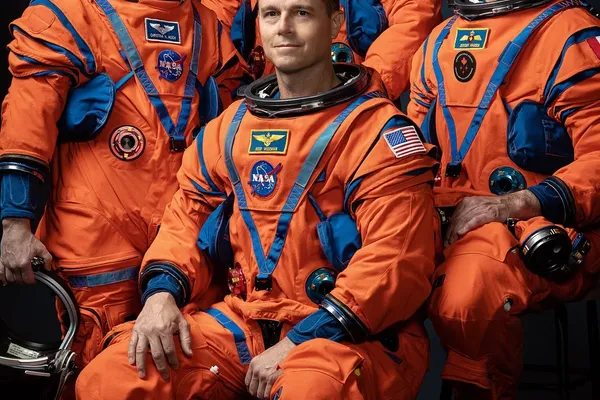
Artemis II showed that Orion's lunar-flight test depended as much on sleep, waste, controls and crew workload as on the flyby itself.
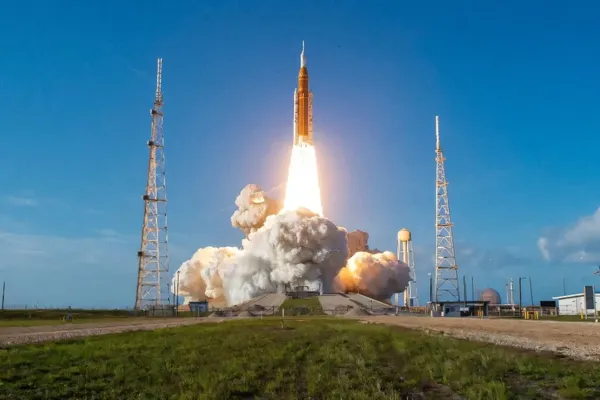
Artemis II's Orion toilet issue showed why habitability systems matter as much as burns and navigation on crewed lunar flights.
Artemis II is remembered for its lunar flyby, but Orion's Earth-orbit checkout proved the systems NASA needed before committing the crew to the Moon.
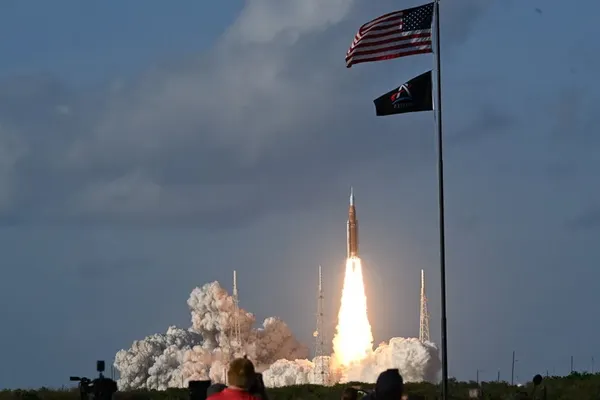
Artemis II proved Orion could carry a crew around the moon, but the harder test now is whether NASA can turn one record flight into a repeatable lunar program.
Artemis II safely carried four astronauts around the moon, but the harder test is turning the record-setting flyby into a durable lunar program.

Stanford's octopus-inspired synthetic skin can shift color and texture in seconds, but its real promise is smart surfaces, not fantasy camouflage.
Artemis II's Space Coast crowds and record streaming audience showed NASA still has public pull, but spectacle cannot settle the program's cost debate.