The Food and Drug Administration has set a wide 2026 agenda for the Human Foods Program, spanning infant formula, food chemicals, nutrition labels, plant inspections, imported seafood and product traceability. The plan describes work the agency intends to carry out; it is not a list of completed rules or proven public-health gains.
FDA published the detailed priorities in January 2026 and said the program would focus on three areas: food chemical safety, nutrition and microbiological food safety. The agency regulates about 80% of the US food supply, according to the document, which makes the difference between an announced deliverable and an implemented safeguard especially important.
Some items involve proposed regulations or guidance. Others are research programs, pilot projects, training systems or reviews that may shape later decisions. Reading all of them as immediate changes at grocery stores would overstate what the agency has promised.
Infant Formula Work Moves Into Implementation
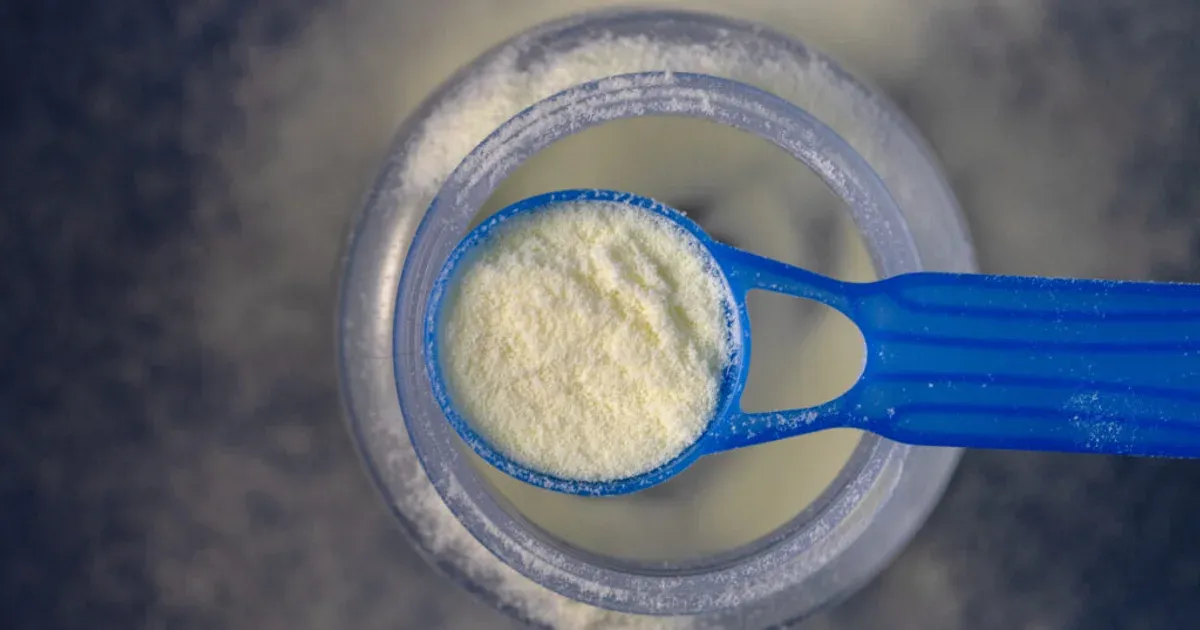
Under Operation Stork Speed, FDA plans to begin implementing a modernization of infant formula nutrient requirements. The agency says that work will draw on scientific evidence, expert input and public recommendations. It also plans to release exposure data for contaminants including lead, arsenic, cadmium, mercury and PFAS.
The formula program sits beside the Closer to Zero initiative, which targets contaminants in foods for babies and young children. FDA says it will advance action levels for cadmium and inorganic arsenic in baby and toddler foods and issue guidance on preventive controls for chemical hazards.
These are distinct regulatory and evidence steps. Reviewing nutrient requirements does not itself establish a new standard, and publishing exposure data does not by itself show that a product is unsafe. The practical value will depend on the resulting requirements, the quality of the data and whether manufacturers and regulators act on identified risks.
An Ultra-Processed Food Definition Is Still Being Built
FDA and the Department of Agriculture began gathering information in 2025 for a federal definition of ultra-processed foods. In 2026, the agencies plan to analyze public comments, research and other data. The official document describes high consumption of these foods as a concern because studies associate it with chronic disease, while also calling for more research into how and why harm may occur.
That wording matters. An association across a broad food category does not identify which processing methods, additives or nutritional profiles produce a specific health outcome. A federal definition must be precise enough to support research and policy without treating every shelf-stable or industrially produced food as medically equivalent.
Front-of-package nutrition labeling is at a different stage. FDA proposed a rule in early 2025 and received tens of thousands of comments. Its 2026 task is to summarize those comments and prepare options for leadership on a final regulation. The plan also covers added-sugar reduction, online grocery labeling, caffeine labeling and allergen disclosure.
State Inspections and Imported Seafood Expand the Reach
For domestic food plants, FDA plans a proof of process that uses state partners for more routine inspections while reserving federal capacity for international, high-risk, complex and targeted work. Full implementation is scheduled over four years, so the 2026 activity is an opening phase rather than an instant expansion across every facility.
Imported food receives its own set of measures. FDA says it will use import certification, supplier verification, improved data and partnerships with foreign regulators. For imported shrimp, the plan names regulatory arrangements with India and Ecuador, continued sampling and whole-genome sequencing capability. The agency also intends to finish a seafood fraud identification program and seek added authority from Congress to destroy imported products that present a serious public-health risk.
Recall communication and traceability are further operational tests. FDA plans to refine recall messaging, speed classification and run a tabletop exercise with businesses covered by the Food Traceability Rule. Education and quarterly stakeholder contact may improve readiness, but their success has to be measured by faster identification and removal of contaminated food when a real incident occurs.
The Agenda Will Be Judged by Completed Protections
The strongest case for this agenda is also the simplest standard for judging it: FDA has named specific deliverables that can later be checked against public records. A proposed GRAS regulation can be published or delayed. Contaminant action levels can be issued or left unfinished. Inspection coverage, recall speed and traceability performance can be measured rather than inferred from political messaging.
The public documents support a food-safety and nutrition program, but they do not establish that it was designed to repair the agency's reputation after vaccine disputes. Political context may shape priorities in any administration; it cannot substitute for evidence about why individual officials chose each action.
FDA should therefore receive neither automatic credit for announcing a long list nor automatic condemnation based on speculation about intent. The consequential questions are whether rules survive the proposal stage, whether inspection partnerships preserve consistent standards, whether formula and contaminant work produces usable safeguards, and whether traceability reduces the time contaminated products remain on the market. A food policy agenda becomes public-health protection only when those promised systems work.