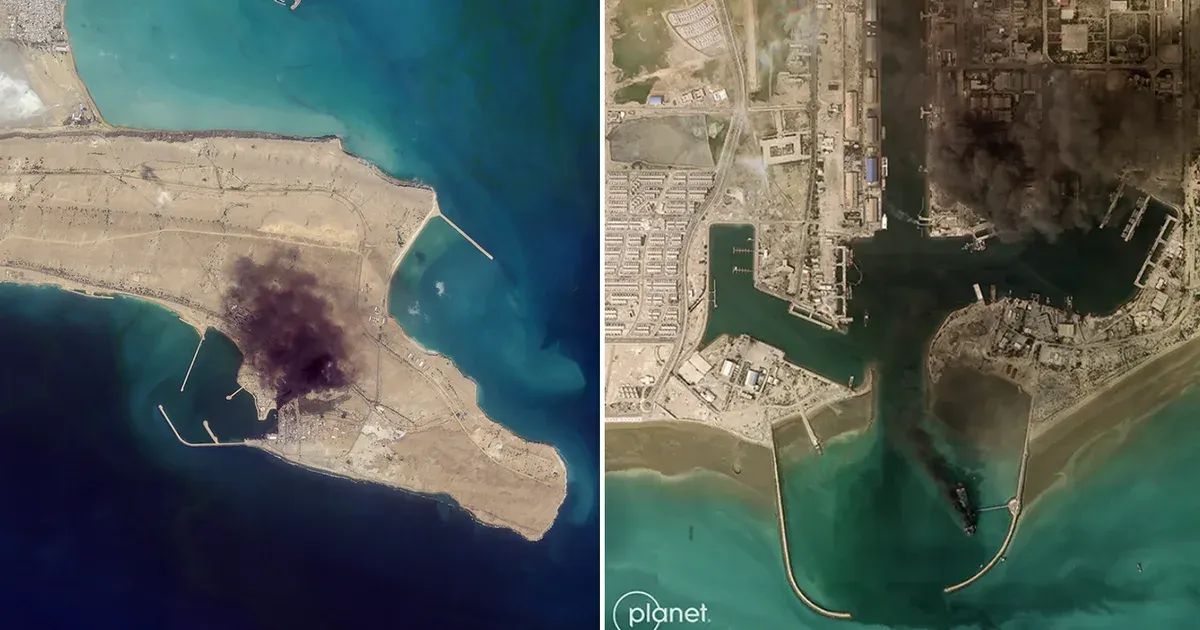
Tehran strategic airstrikes moved the conflict into a more dangerous urban frame. The target set may be described as military, but the city around those targets is civilian, dense and politically charged. On March 10, 2026, Israel Iran escalation became harder to contain as airstrikes reached the heart of the Iranian capital.
Urban Strikes Carry Wider Consequences
Civilian risk in Tehran is not a side issue. Command sites, communications links, energy systems and transport networks can sit close to homes, hospitals and workplaces. That overlap means a precise strike can still create broad disruption. Power loss, fires, blocked roads and panic can spread beyond the intended target. The strategic question is whether the damage weakens Iranian capacity or hardens the case for retaliation.
Symbolism Cuts Both Ways
Hitting Tehran sends a message of reach. It also gives Iran a domestic image of vulnerability that leaders may try to answer with force. That is why symbolic success can become operational danger. A strike meant to deter can create pressure for the other side to prove it has not been cowed. Regional governments will watch whether the campaign remains bounded or starts pulling more actors into the fight.
The Endpoint Problem
The severe conclusion is that striking a capital city is not a strategy by itself. It is a high-risk tool that needs a clear political purpose. If officials cannot explain what would make the air campaign stop, every successful strike becomes an invitation to the next one. The public should judge the operation by whether it reduces the war, not whether it produces dramatic footage. Strikes in the center of Tehran carry a different political weight from attacks on remote military sites. Even when the intended targets are strategic, the imagery of a capital under fire can harden public opinion and make de-escalation harder for every government involved. The military case therefore has to be matched by a civilian-protection account that can withstand scrutiny, especially after record air strikes against Iranian targets. If officials cannot explain target selection, warning procedures and the intended endpoint, tactical success may still create strategic damage.
Urban targeting also raises the evidentiary burden after the strike. Governments can claim precision, but precision has to be demonstrated through target descriptions, damage assessments and credible casualty accounting. If that information arrives late or looks selective, the diplomatic cost rises even among governments that quietly accept Israel's security concerns.
Iran will try to turn any civilian harm into proof that the campaign is reckless. Israel will try to frame the targets as essential military infrastructure embedded by Tehran. Both arguments can be politically useful. The harder question is whether the operation reduces threat capacity faster than it increases retaliation pressure.
Regional partners have little appetite for a capital-city exchange becoming routine. Airspace management, refugee fears, energy risk and domestic opinion all matter to governments that may be asked to assist indirectly. The more Tehran becomes a recurring target, the more difficult containment becomes.
The Civilian Line
The next Israeli statement has to address civilian protection directly, because urban warfare cannot be defended only through target language.