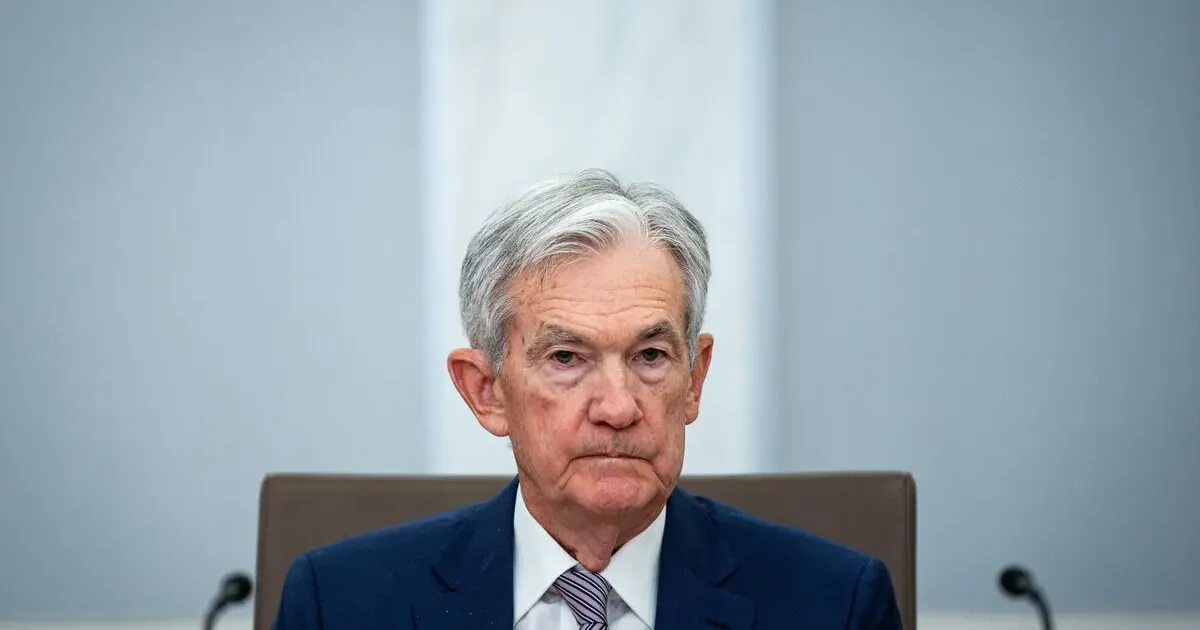
Powell framed the issue as uncertainty, not a rate signal. The conflict complicates both sides of the mandate. The next economic reading matters more than the speech itself. Jerome Powell addressed the Economic Club of Washington on March 30, 2026, where he acknowledged that the Federal Reserve currently struggles with conflicting goals regarding inflation and labor. Speaking before a capacity audience, the central bank leader admitted that the 1977 dual mandate of price stability and maximum employment has entered a period of meaningful friction. Geopolitical instability in the Middle East has complicated the task of steering the American economy through a volatile recovery cycle. Inflationary pressures continue to haunt the domestic market as energy costs fluctuate wildly due to the regional war. Jerome Powell stated that policymakers are not currently facing an imminent decision on interest rates because the full economic impact of the Iran conflict remains unknown. The lack of clarity has forced the Federal Open Market Committee into a defensive posture, prioritizing data observation over aggressive policy shifts. The Fed problem is that war can push inflation and growth in opposite directions. Higher energy prices argue for caution, while weaker demand can argue for relief.
Powell said the Fed isn’t facing an imminent decision on what to do with rates because “we don’t know what the economic effects” of the Iran war will be.
Market participants had hoped for a more definitive plan for the remainder of the fiscal year. Jerome Powell, however, noted that the current environment produces risks that could push interest rates either higher or lower depending on how supply chains respond to the blockade in the Persian Gulf. Economic forecasting models have failed to account for the velocity of the recent escalation between Tehran and its neighbors. Internal discussions within the Fed suggests a growing divide among regional governors. Some officials argue that the risk of entrenched inflation outweighs the temporary pain of a softening labor market. Others contend that the US economy cannot withstand a prolonged period of the federal funds rate sitting at 5.25 percent while global trade routes are compromised. Washington remains on high alert for further escalation that could bring the Iran conflict into a broader regional struggle. Every drone strike or naval skirmish in the Strait of Hormuz translates directly into higher logistics costs for American retailers. Jerome Powell made it clear that the Fed is an observer of these events, not an actor capable of reducing their primary causes.
Consumer confidence has already begun to erode. High-interest rates have made mortgages and auto loans prohibitively expensive for a significant part of the middle class. If the Federal Reserve chooses to maintain high rates to combat war-induced inflation, it risks a consumer spending collapse that could trigger a severe contraction.
Geopolitical Shocks Stress Monetary Policy
Historical precedents suggest that central banks rarely navigate energy crises without causing meaningful collateral damage. The 1973 oil embargo led to a decade of stagflation that only aggressive, painful rate hikes by Paul Volcker could eventually break. Jerome Powell is sharply aware of this history and seeks to avoid the mistakes of his predecessors by maintaining flexibility in his public pronouncements.
Geopolitical instability has effectively blinded the central bank.
Technological shifts in energy production, such as the rise of domestic shale, were supposed to insulate the American economy from Middle Eastern volatility. The interconnectedness of global finance means that a banking crisis in any region can quickly migrate to the New York markets. Jerome Powell noted that the Federal Reserve is monitoring the health of regional banks that may be overexposed to energy sector debt.
Predictability is the first casualty of modern warfare.
Future policy decisions will hinge on the May employment report and the subsequent inflation data releases. Jerome Powell signaled that the FOMC is prepared to act with force if inflation expectations become unanchored. For now, the American public must wait for the fog of war to clear before the central bank can provide a definitive answer on the cost of borrowing.
Fed Forecasting Problem
The Fed problem is that war can push inflation and growth in opposite directions.
Powell therefore left the market with a data dependency message: the next inflation and jobs reports matter more than any single phrase from the podium.