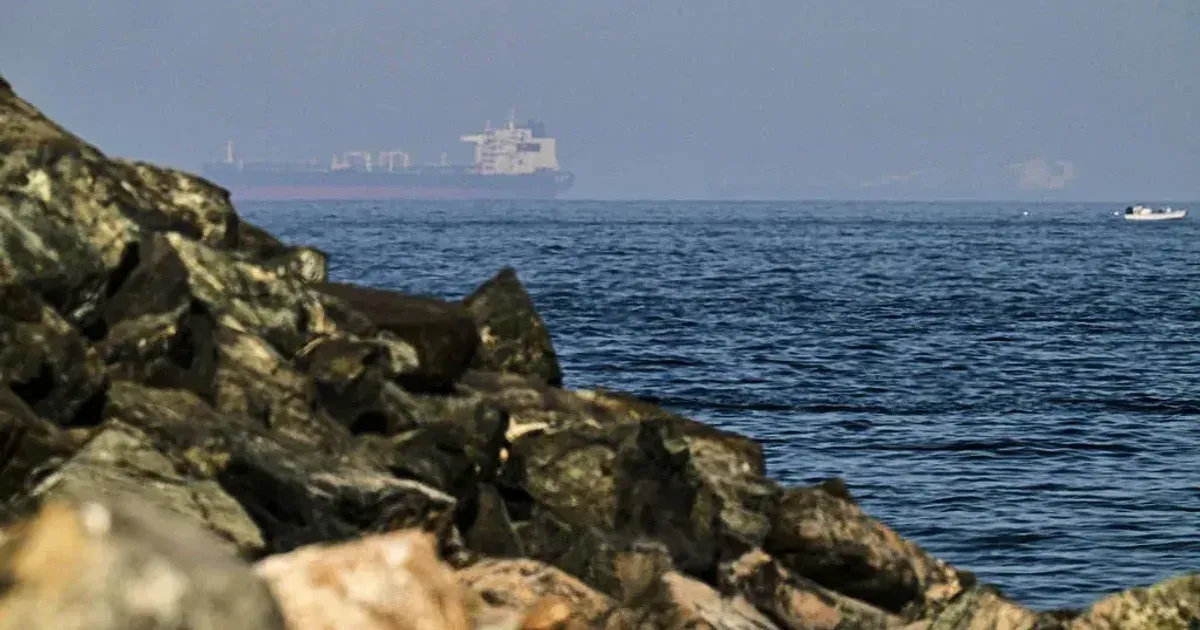
The port strikes expand the Hormuz crisis from escort planning to direct attack. Oil markets, Gulf governments and shipping firms will read the target list closely. Any hit near port infrastructure can affect insurance rates even if production keeps moving. American officials are presenting the action as limited, but Iran will judge it by strategic effect. Shipping monitors are waiting to see whether port traffic resumes normally. On May 7, 2026, the strikes pushed the crisis into a more dangerous operational phase. U.S. military officials said American forces launched retaliatory strikes against Iranian targets near the Strait of Hormuz after three U.S. Navy destroyers reported aggressive maneuvers from foreign vessels on May 7, 2026. Commanders at U.S. Central Command described the response as a necessary action to protect personnel and hardware in international waters. The attack therefore has consequences beyond the immediate damage report. Traders will price the chance of retaliation, and regional governments will ask whether US strikes make shipping safer or more dangerous.
U.S. officials said Iranian fast-attack boats initiated the engagement by swarming the American destroyers. While the warships fought off the incoming boats, the close-quarters nature of the skirmish signaled a breakdown in previous de-escalation efforts. No American sailors were reported injured during the initial contact, but the scale of the deployment forced a major shift in the rules of engagement for the Fifth Fleet.
Naval Engagement in the Strait
Three American destroyers entered the Strait of Hormuz on Thursday morning under routine transit protocols. Visual records cited by officials indicate a swarm of Iranian fast-attack boats approached the formation at high speeds, ignoring radio warnings and maritime signaling. The maneuver resembles historical harassment tactics used in the region, yet the volume of craft suggested a more coordinated effort than previous encounters.
U.S. forces responded with defensive fire to maintain a safety perimeter. The American destroyers used integrated weapon systems to repel the swarm, preventing any direct impact on the hulls of the warships. Defense officials said the boats operated with a degree of aggression that suggested a change in local command directives. These tactical shifts often precede larger shifts in regional military posture.
Commanders in the region maintain that the destroyers were operating within their rights under international maritime law. This specific transit was intended to demonstrate continued freedom of navigation in a waterway that handles a third of the world's liquefied natural gas and a fifth of global oil supplies. Any disruption here causes immediate ripples through global energy markets.
Fragile Ceasefire Collapses Under Reciprocal Claims
Washington and Tehran issued contradictory statements regarding the origin of the violence. U.S. Central Command issued a formal statement justifying the subsequent air and sea strikes as a protective measure. The military maintains that the Iranian swarm constituted a direct threat to the safety of the vessels and their crews. By striking back at launch infrastructure, the U.S. Navy said it intended to degrade the ability of local forces to repeat the assault.
The self-defense strikes followed attacks on three American naval vessels, though none of the warships was hit. The recent shift in rules of engagement follows formal authorizations allowing the navy to counter hostile maritime threats.
Tehran rejected the American version of events. Iranian officials claimed that American forces fired first, violating the terms of a fragile ceasefire that had been in place for several months. Iranian state media portrayed the presence of the destroyers as a provocative act designed to destabilize the region. Such claims often circulate after naval clashes as both sides attempt to secure the diplomatic high ground.
Diplomats in Europe and the Middle East have spent weeks attempting to shore up the existing agreement. This latest exchange of fire suggests that the communication channels intended to prevent accidental escalation have failed. If the ceasefire is officially declared void, the risk of a wider maritime conflict increases sharply.
Port Strikes and Tactical Implications
American retaliatory fire extended beyond the immediate swarm of boats. U.S. Navy aircraft and surface missiles targeted two Iranian ports near the strait. These facilities are known to house the logistics and launch infrastructure for fast-attack craft and maritime drones. By targeting the ports directly, the U.S. Navy moved to neutralize the threat closer to its point of origin.
Launch sites for Iranian missiles and drones were among the primary targets in the port areas. Intelligence reports cited by U.S. officials indicate that these sites were prepared for additional sorties against the destroyers. Removing these capabilities reduces the immediate risk to merchant shipping and military patrols operating in the narrow chokepoint. The precision of the strikes was intended to minimize collateral damage while ensuring the destruction of military hardware.
Iran maintains a sophisticated network of coastal defenses and paramilitary naval units. The use of fast-attack boats allows for asymmetric warfare tactics that can overwhelm traditional defenses through numbers and proximity. By striking port facilities, Washington signaled that it would not limit its response to the open sea. The expansion of the target list reflects a more assertive stance from the Pentagon.
Market analysts are already monitoring the situation for signs of prolonged interference with shipping. Every incident in the Strait of Hormuz increases insurance premiums for tankers and cargo vessels. If the conflict persists, the cost of transporting energy through the Persian Gulf could rise to levels that affect consumer prices globally.
Port Strikes Could Turn a Naval Skirmish Into a Wider Campaign
The collapse of the maritime ceasefire forces a recalculation of security for every nation bordering the Persian Gulf. For months, the agreement was a thin barrier against a full-scale naval war that would paralyze global trade. Now, the return to direct kinetic engagement suggests that neither side believes the status quo is sustainable. The American decision to hit port targets marks a serious departure from previous years of containment.
Tehran must now choose between a symmetric escalation or a return to the negotiating table from a position of tactical weakness. Its reliance on swarm tactics has been met with a substantial U.S. show of force, yet the proximity of Iranian batteries to the shipping lanes means they retain the ability to harass tankers at will. The geographical advantage remains Tehran's primary lever against the U.S. Navy.
Stability in the strait is a global necessity, not just a regional concern. If the current escalation continues, the international community may be forced to provide multinational escorts for commercial traffic. Such a move would further militarize the region and increase the chance of a miscalculation that could lead to a wider war. The next forty-eight hours will determine whether this was a contained skirmish or the start of a broader campaign.