The Beirut strike widens the political effect of the Israel-Hezbollah confrontation. A commander's death can change operational planning even when neither side wants a full war. Lebanese officials also have to manage public anger and diplomatic pressure after another attack in the capital. Israel is likely to frame the strike as targeted, while Hezbollah will treat it as a direct escalation. Israeli military aircraft launched a precision strike against a high-value command target in the southern suburbs of Beirut. The operation took place on May 7, 2026, marking the first time Israeli forces have struck the Lebanese capital since the implementation of a recent ceasefire agreement. While the truce sharply reduced the volume of daily fire, recent kinetic activity suggests a volatile period for the regional security arrangement. The strike also puts pressure on intermediaries. If Hezbollah retaliates, Israel may answer again; if it does not, the group risks looking weakened after losing a commander in Beirut.
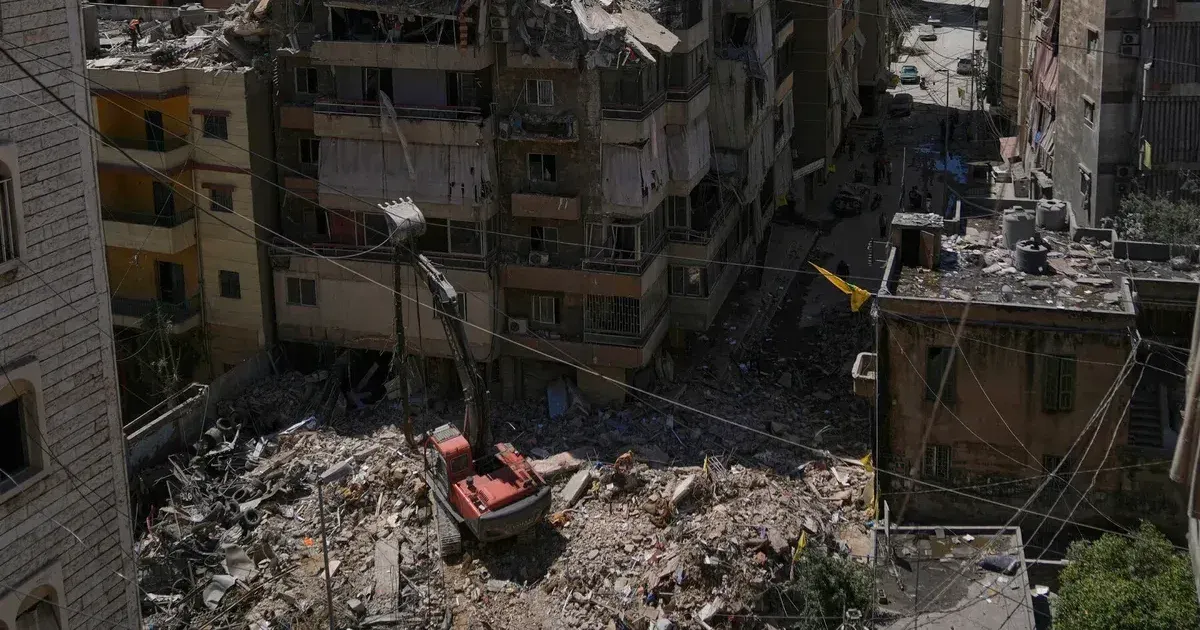
Military officials in Tel Aviv identified the primary target as a senior leader within the organizational hierarchy of the Radwan Force. This elite unit leads Hezbollah's special operations and cross-border capabilities. The Israel Defense Forces said the strike killed the unit commander during a Thursday briefing. Ground reports from the Dahiyeh district of Beirut described heavy damage to a residential structure that Israeli officials said was being used for tactical coordination.
Lebanese state media and local correspondents reported that the strike occurred during a period of relative calm in the city. The targeted area, known for its dense population and Hezbollah influence, became the focal point of Israeli intelligence efforts over the last 48 hours. Reporters on the site observed emergency crews clearing debris from the impact zone while security cordons prevented civilians from entering the immediate vicinity.
Israel also hit parts of southern Lebanon with artillery and air support during the morning. Those strikes targeted suspected missile launch sites and observation posts along the Blue Line. The broader activity suggested that the Beirut strike was part of a wider pressure campaign rather than an isolated operation. Local residents near Tyre reported heavy explosions from nearby villages.
Dismantling the Radwan Force Command
The elimination of the Radwan Force commander is a serious blow to the operational continuity of Hezbollah's elite wing. Israeli military intelligence characterized the individual as a central figure in the planning of offensive maneuvers. The strike followed a period of intense surveillance that tracked the movement of commanders between southern Lebanon and the capital.
The Israeli army said the strike in the southern suburbs killed the commander of Hezbollah's Radwan Force, an elite unit within the Iran-backed organization. That attribution remains central to Israel's argument that the operation was a targeted security action rather than a broad attack on Beirut.
Retaliation Risk
Military analysts suggest the strike was designed to degrade the specialized capabilities of the group before any potential collapse of the truce. The Radwan Force maintains a reputation for high-readiness training and sophisticated tactical execution. By removing top-tier leadership, Israeli planners aim to disrupt the chain of command that governs clandestine operations near the Israeli border.
Efforts to sustain the ceasefire face mounting pressure as both sides report infractions. Hezbollah has not yet issued a formal statement regarding the specific loss of its commander, though local media outlets affiliated with the group confirmed a martyr's funeral is being prepared. The lack of an immediate retaliatory barrage suggests a calculated pause as the group assesses its internal security protocols.
Fragile Diplomacy and Regional Stability
Washington is pushing for a lasting peace to stabilize the border and prevent a wider regional fire. Diplomats in the United States view the cessation of hostilities as a necessary precursor to broader negotiations with Tehran. The current volatility, however, threatens to undermine the diplomatic architecture established by international mediators over the previous months.
Negotiators hope a stable environment in Lebanon will ease the path for direct or indirect engagement with Iran regarding nuclear and security issues. Washington remains focused on preventing the conflict from expanding into a multi-front war that would require direct American intervention. Those diplomatic objectives depend on whether the ceasefire can survive targeted strikes without turning every violation claim into a new round of escalation.
Conflict dynamics remain tied to the broader geopolitical rivalry between Israel and Iran. Tehran provides the primary financial and military backing for Hezbollah, including the advanced weaponry used by the Radwan Force. Israeli officials have repeatedly stated that they will not tolerate the presence of elite units near their northern settlements, regardless of the active status of a truce.
France 24 correspondent Renée Davis reported from Beirut that the atmosphere in the city is increasingly tense. Civilians who had returned to their homes in the southern suburbs are once again considering evacuation as the threat of renewed aerial bombardment looms. The government in Lebanon has expressed concern that the Israeli strikes constitute a violation of the sovereign protections intended by the ceasefire agreement.
International observers continue to monitor the border for signs of a large-scale mobilization. The current pattern of strikes suggests a policy of containment and targeted degradation rather than an all-out offensive. The persistence of low-level skirmishes could eventually lead to a total breakdown of the diplomatic process.
Intelligence assets in the region indicate that the Radwan Force is currently reorganizing its local commands in response to the recent losses. The ability of the unit to replace its leadership quickly will determine its operational effectiveness in the coming weeks. Military movements near the border show that Israeli ground forces stay in a state of high alert.
The Beirut Strike Makes the Ceasefire a Managed Conflict
The targeted assassination of a high-ranking Hezbollah commander in Beirut alters the risk calculus for all regional actors. By striking the capital, Israel has signaled that no geographic area is off-limits if high-value targets are identified. This move challenges the established norms of the current truce, which many hoped would provide a sanctuary for urban centers like Beirut. The immediate security implication is an increased likelihood of asymmetrical retaliation, possibly targeting Israeli assets abroad or high-profile figures within Israel.
The degradation of the Radwan Force command structure provides Israel with a temporary tactical advantage. Without centralized leadership, the elite unit may struggle to coordinate the complex cross-border raids that have characterized its recent strategy. The vacuum in command could lead to decentralized, localized responses from smaller cells, creating an unpredictable security environment for communities on both sides of the border. The long-term stability of the ceasefire now depends entirely on whether Hezbollah views this strike as an isolated intelligence-led operation or the beginning of a systematic dismantling of its elite capabilities.
Future diplomatic efforts must account for the reality that precision strikes will likely continue despite formal agreements. The reliance on military force to achieve security objectives suggests that the ceasefire is viewed as a managed conflict instead of a definitive peace. Stability will persist only as long as both parties believe the costs of a full-scale war outweigh the benefits of localized escalations.