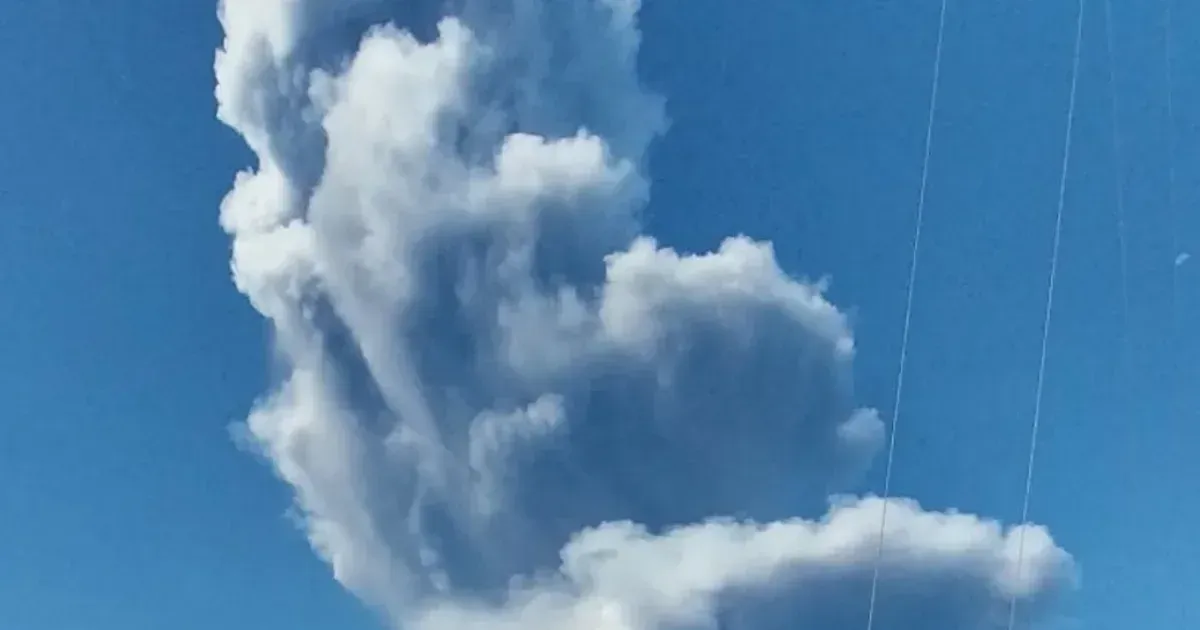
Mount Dukono erupted on Friday morning, killing three hikers and leaving at least 10 others missing on Halmahera island. Local emergency services deployed to the slopes shortly after the stratovolcano discharged a large plume of ash into the atmosphere.
Records show the disaster occurred on May 8, 2026, catching several groups of climbers in high-risk zones near the summit. Police officials in North Halmahera confirmed that two foreign nationals and one resident of Ternate died during the initial explosion. Rescue teams are searching rugged terrain for missing hikers, while some reports put the number still unaccounted for as high as 20.
Search operations are led by local police and disaster management officials who face deteriorating visibility. Erlichson Pasaribu, the police chief of North Halmahera district, told local television that volcanic activity has sharply limited the mobility of ground teams. Officers are working to reconcile the different missing-person estimates while the mountain remains active.
Search and Rescue Logistics
Emergency response units established a perimeter around the mountain base to coordinate the extraction of survivors. Helicopters remain on standby, though the high altitude of the ash cloud makes aerial surveillance difficult. Personnel from the regional disaster mitigation agency are using thermal imaging and radio signals to track those who might still be mobile on the lower slopes.
Local medical facilities in Ternate have been alerted to prepare for casualties suffering from respiratory distress or thermal burns.
The rescue window is especially narrow because ash fall can erase footpaths and make familiar terrain impossible to navigate. Teams must balance the urgency of finding survivors against the risk of sending additional personnel into unstable gullies, loose volcanic deposits and sudden changes in wind direction.
Geological sensors around the volcano continue to record tremors, suggesting that internal pressure remains volatile. These seismic readings indicate that further outbursts of gas and ash are possible, complicating the safety protocols for search teams. Rescuers must wear heavy-duty respirators to filter fine volcanic glass particles from the air. Thick layers of gray soot have already buried key access roads leading to the national park entrance.
Ignored Warnings and Access Protocols
Administrative records show that authorities officially closed the mountain to all visitors on April 17, 2026. This restriction was implemented after a series of smaller tremors and increased gas emissions signaled a potential eruption. Despite the legal closure, several groups of hikers reportedly bypassed checkpoints or entered the park through unofficial trails to reach the summit.
Police said the confirmed dead included two foreigners and one resident of Ternate, underscoring how quickly a prohibited climb became an international rescue operation. Local guides often feel pressure to accommodate tourists who travel long distances to witness volcanic activity. Official signage and physical barriers were in place, yet the vastness of the Halmahera wilderness makes enforcement a major challenge for limited ranger staff.
Technical data from the national volcanology center supported the decision to shut down the peak weeks ago. Experts had warned that the crater was unstable and that any sudden release of pressure could send ash as high as 10 kilometers. Friday's discharge matched that danger profile, showing that the closure was based on a concrete geological threat rather than routine caution.
Regional Volcanic Activity
Dukono is one of the most active volcanoes in Indonesia, situated on the remote northern tip of Halmahera. Ash emissions are frequent at this site, but the scale of Friday's event exceeded recent averages. Its location within the Pacific Ring of Fire subjects the entire North Maluku province to constant tectonic stress and volcanic hazards.
Proximity to the Halmahera Sea provides a geological setting where subduction zones fuel the magma chambers of several local peaks. The broader region has faced repeated seismic threats, including a powerful earthquake near Ternate that previously tested local emergency systems. Friday's eruption has forced the diversion of several regional flight paths to avoid abrasive ash clouds.
Villagers living at the base of the mountain have become accustomed to the rumblings of the earth, though many expressed shock at the intensity of the morning blast. Civil authorities are considering broader evacuation orders if seismic activity does not subside in the coming hours. For now, the primary focus remains the extraction of those trapped within the designated danger zone.
The Eruption Exposes the Cost of Ignoring Volcano Closures
Friday's eruption of Mount Dukono highlights the persistent tension between Indonesian tourism and geological risk. Authorities struggle to balance the economic benefits of volcanic trekking with the enforcement of exclusion zones. When hikers ignore official closures, they do more than risk their own lives; they force emergency responders into high-threat environments where the margin for error is extremely narrow.
The incident will likely trigger a review of how local districts manage access to active peaks, especially in remote areas like Halmahera. If signage and physical barriers continue to fail, pressure will grow for stricter surveillance, higher fines or mandatory registration systems for trekking routes near active craters.
The ultimate survival of the missing hikers now depends on the speed of the rescue and the stability of the volcano. The broader safety of the region rests on institutional changes that prioritize human life over tourism revenue.