
Egypt Imposes Emergency Fuel Measures to Combat Rising Costs
Egypt imposed emergency energy-saving measures after fuel and natural gas import costs surged, forcing Cairo to cut demand and protect power supply.
Showing 337-348 of 533 articles
Egypt imposed emergency energy-saving measures after fuel and natural gas import costs surged, forcing Cairo to cut demand and protect power supply.
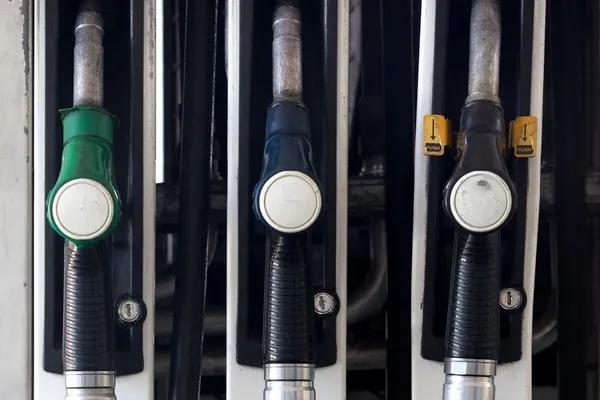
Australia's plan to underwrite private fuel imports treats diesel, jet fuel and petrol supply as a national resilience problem amid shipping risk.

Intimate apparel brands are emphasizing fit, fabric performance and no-show construction as shoppers demand comfort over old lingerie rules.

Euro zone inflation accelerated as Middle East instability pushed energy costs higher and complicated the ECB policy outlook.

French Finance Ministry officials revealed on March 27, 2026, a targeted €70 million emergency fund designed to shield a narrow selection of industries.

Commercial aviation hubs across the United States faced severe logistical breakdowns on March 27, 2026, as wealthy travelers turned to luxury alternatives.

Wall Street selling deepened as oil prices, Iran tensions and inflation worries pushed investors toward defensive positions.
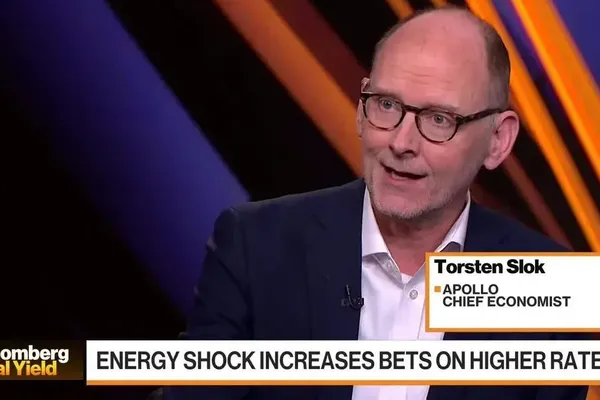
Richmond Fed President Tom Barkin says war-driven energy pressure could complicate inflation progress and Fed policy.

Federal Reserve officials and global markets turned toward possible rate hikes on March 27, 2026, as the Iran war complicated inflation forecasts.

United States economic forecasts darkened on March 27, 2026, as the escalating conflict in Iran forced a sharp reassessment of global trade stability.

Oil prices moved above $110 as Middle East fighting strained supply routes, lifted Russian crude demand, and renewed inflation pressure in Europe.

Philippine officials said a rate-hike pause could help steady the local bond market after yields rose on war, energy and currency concerns.