
Nicotine Biology Explains Why Quitting Often Takes More Than One Try
Nicotine's rapid reward signal and fast withdrawal help explain repeated quit attempts, while evidence shows medication and support improve the odds.
Showing 169-180 of 206 articles
Nicotine's rapid reward signal and fast withdrawal help explain repeated quit attempts, while evidence shows medication and support improve the odds.

Nineteen global cities have cut key air pollutants by more than 20%, offering evidence that urban clean-air policy can deliver health gains.

A BBC questionnaire found many responding GPs had never refused a mental-health fit note, but the self-selected survey cannot measure all GPs or patient need.

Medact warns the NHS data platform could enable future state misuse, while NHS England says Palantir cannot control, repurpose or share patient data.

A study of 140 delta-8 THC packages found inconsistent content information, limited warnings and youth-oriented appeals; it did not test products in a lab.

AI meal plans that underfeed teenagers by hundreds of calories are raising safety concerns about chatbot nutrition advice for young users.

Rising medical costs forced millions to abandon life milestones, showing how healthcare bills reshape family, housing and career decisions.
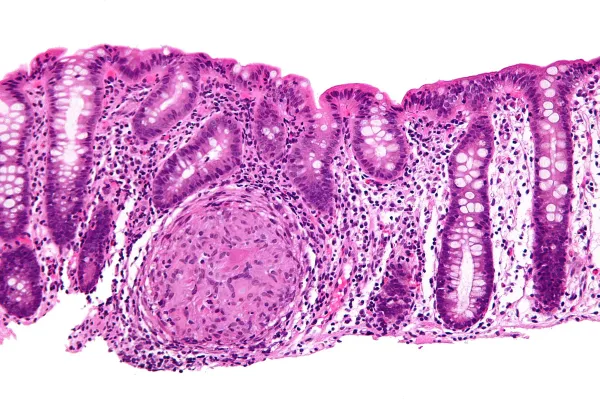
A TNBS-induced rat model produced Crohn's-like mesocolic fat changes in about half of treated animals, offering a preclinical research tool.

In 200 acute leukemia cases, optical genome mapping altered diagnosis or risk assessment in 35 cases while remaining a complement to other tests.

A small study linked rifampicin-driven PXR activation to higher SHBG, but it did not test whether everyday chemical exposure harms human fertility.

Antimicrobial resistance can make sepsis harder to treat, while uneven recognition, escalation and reporting systems leave Europe with avoidable gaps.

A 49-person secondary analysis found associations between optimism, CRP and initial stroke severity, but only 13 people had three-month follow-up data.