Malaria Vaccine Results Raise Hope but Human Proof Still Matters
A new malaria vaccine showed high efficacy in preclinical tests, but researchers still need human data before public-health claims harden.
Showing 181-192 of 206 articles
A new malaria vaccine showed high efficacy in preclinical tests, but researchers still need human data before public-health claims harden.
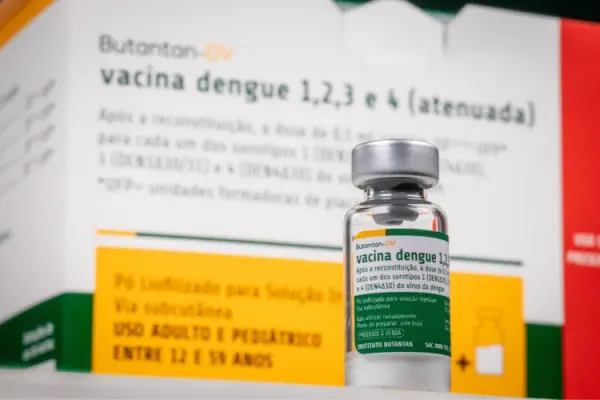
A phase 3 trial found one Butantan-DV dose was 65% effective against symptomatic dengue and 80.5% against severe or warning-sign cases over five years.

WHO reported attacks on health care, displacement and service disruption across the Middle East; a separate Marburg lab study showed no regional outbreak.
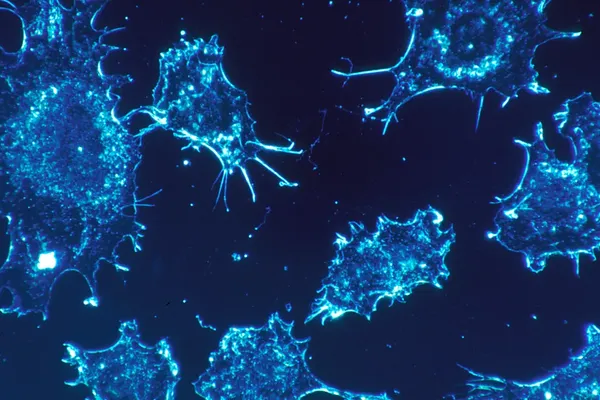
Cell experiments identified a small EZH2 domain that PRC2 needs for its gene-silencing activity and for the growth of certain EZH2-mutant lymphoma cells.

Planned Parenthood Mar Monte began offering cosmetic neurotoxin injections at one Sacramento clinic as it sought revenue to support reproductive care.

Koidu's new 120-bed maternal center adds surgery, neonatal intensive care and referrals, but its mortality impact still needs measurement.
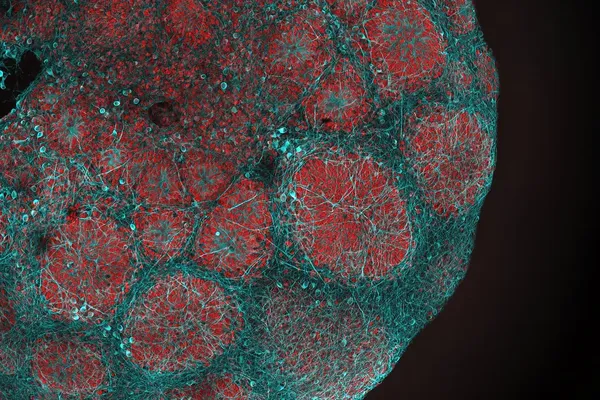
Sildenafil improved laboratory and animal models of Leigh syndrome, while observations in six off-label patients remain too small to prove efficacy.
The FDA approved Wellcovorin for genetically confirmed FOLR1 cerebral folate transport deficiency using published cases and mechanistic evidence.
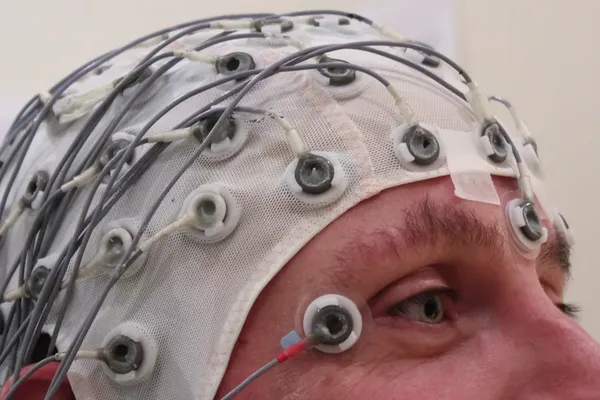
Nicola Burns' family says she was never warned about sudden unexpected death in epilepsy, while her health trust cited capacity for a missed review.

A writer's sudden hearing-loss account illustrates the cost of delayed care and coverage gaps, but one case cannot establish how often the system fails.

Toronto's huge snow-storage piles concentrate salt and street debris, creating a documented ecological problem without proving the original article's health claims.
A reported proposal to stop recommending Covid-19 mRNA vaccines was no longer advancing, but ACIP's broader safety-review work had not disappeared.