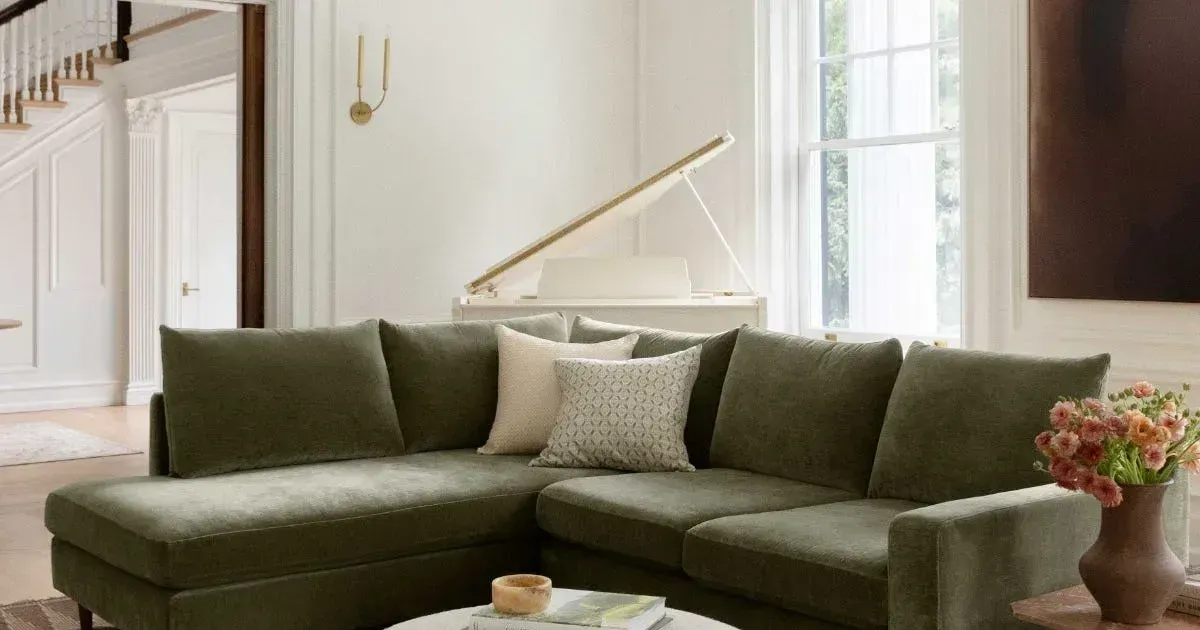
Customization Becomes the Selling Point
Furniture showrooms across the United States are seeing a marked shift in consumer behavior as 2026 unfolds. Shoppers no longer view the sofa as a simple seating arrangement for evening television. The report was published March 12, 2026.
Instead, the piece has become a workstation, a guest bed, and a playground for pets, often all within the same twelve-hour cycle. Buyers are increasingly skeptical of mass-produced, one-size-fits-all options that dominated the early 2020s. They want furniture that adapts to their specific floor plans and lifestyle choices rather than the other way around.
Interior Define has positioned itself at the center of this transformation. Their Sloan Custom Sofa stands as the industry benchmark for 2026 because it removes the traditional barriers to bespoke design.
Modularity Solves Urban Problems
Customers can select from dozens of fabrics, various cushion fills, and specific leg finishes. This investment requires a level of scrutiny that many traditional retailers simply cannot provide without significant price markups.
By moving the customization process online and providing detailed digital renderings, Interior Define allows homeowners to take the lead in the design process. Comfort remains the ultimate metric of success. Direct-to-consumer models continue to squeeze traditional brick-and-mortar outlets by offering superior materials at lower price points.
Quince has become a formidable competitor in this space. Their Sierra Performance Velvet Curved Arm Sofa offers a luxurious aesthetic that belies its affordable price tag.
Durability Drives the Premium
Many budget-friendly options sacrifice frame integrity or foam density to keep costs low, but Quince has managed to maintain high quality by streamlining their supply chain. Performance velvet has become the standard for 2026 because it provides the soft touch of traditional velvet with the stain resistance required for modern households.
Urban dwellers often face the logistical nightmare of narrow hallways and tight elevators. Lovesac has solved this problem through their Sactional system. Rather than shipping a single, heavy frame, Lovesac delivers individual pieces that owners can click together in various configurations.
This strategy mitigates the risk of a sofa not fitting into a new apartment or a different room layout. If a family grows, they simply buy another seat or side.
What Buyers Should Check
If a spill ruins one section, they replace that specific cover without discarding the entire unit. Such flexibility has made modularity the preferred choice for a generation that prizes mobility over permanence.
West Elm has addressed a different but equally pressing need: the death of the dedicated guest room. Modern floor plans often prioritize open-concept living over extra bedrooms. The Shelter Sleeper Sofa fills this gap by hiding a high-quality mattress within a frame that does not look like a traditional, clunky pull-out.
Many sleepers are notorious for their discomfort, but newer engineering in 2026 utilizes memory foam and reinforced supports to ensure guests actually wake up rested. This modular shift in furniture design reflects a broader trend of maximizing every square foot of residential real estate. Luxury is no longer about the label. Aesthetic preferences are leaning toward the relaxed and organic. Sixpenny has found a niche with the Elias Sofa, which emphasizes natural fabrics like linen and cotton. While performance synthetic fabrics win on durability, there is a growing segment of the market that craves the breathability and tactile sensation of natural fibers. These pieces often feature feather-down fills that create a "sink-in" feeling, contrasting with the firmer, structured foam used by more utilitarian brands. Maintaining a linen sofa requires more effort, yet for many, the visual warmth of the fabric outweighs the convenience of polyester. Shipping and assembly remain the two biggest pain points for the modern buyer. A sofa might look perfect on a website, but a six-month lead time or a confusing assembly manual can ruin the experience. Companies like Interior Define and Lovesac have spent years perfecting their delivery networks to ensure that custom pieces arrive in weeks rather than months. Reliability in the final mile of delivery has become just as important as the quality of the upholstery itself. Longevity depends heavily on the internal components that consumers rarely see. Kiln-dried hardwood frames prevent warping over time, a common failure point for cheaper furniture made from plywood or particle board. High-resiliency foam combined with pocketed coils provides a seat that does not sag after a few years of heavy use. Consumers are becoming more educated on these technical specifications, often asking about double-rub counts for fabrics and frame joinery before making a purchase. This preference for longevity suggests a maturation in the market where buyers are willing to pay more upfront to avoid replacing their furniture every three years. Prices for high-quality sofas in 2026 generally range from $1,500 to $5,000. While some luxury imports can cost sharply more, the direct-to-consumer revolution has effectively capped the price for standard domestic luxury. Inflationary pressures on raw materials like timber and petroleum-based foams have forced brands to be more efficient. Some companies have responded by offering financing options, making a $3,000 investment more palatable through monthly installments. Still, the most successful brands are those that prove their value through rigorous testing and transparent manufacturing processes.
Customization Is Not the Same as Craft
Should we really call a pile of wood and foam an investment? The furniture industry has spent the last decade convincing consumers that a sofa is a multi-generational asset, but the reality of the direct-to-consumer era is far less romantic. Most of these modular, foam-based units are designed for a ten-year lifespan at best, regardless of how many performance fabrics you wrap around them. We are trading the solid, heavy craftsmanship of our grandparents for the convenience of a box that fits through a narrow door. While Interior Define and Lovesac offer undeniable utility, they also represent a shift toward the "IKEA-fication" of the upper-middle class. We have replaced the local upholsterer with a digital configurator and a logistics algorithm. The obsession with customization is often a distraction from the fact that we are paying premium prices for engineered wood and synthetic fillings. If you want a real investment, find an antique frame and have it rebuilt. If you want a place to scroll on your phone for a few years before moving to a new ZIP code, then by all means, click "add to cart" on that performance velvet. Just do not pretend that your modular sectional is a family heirloom.
Brands that have invested in localized warehousing and simplified bolt-together systems are winning the market share in 2026.