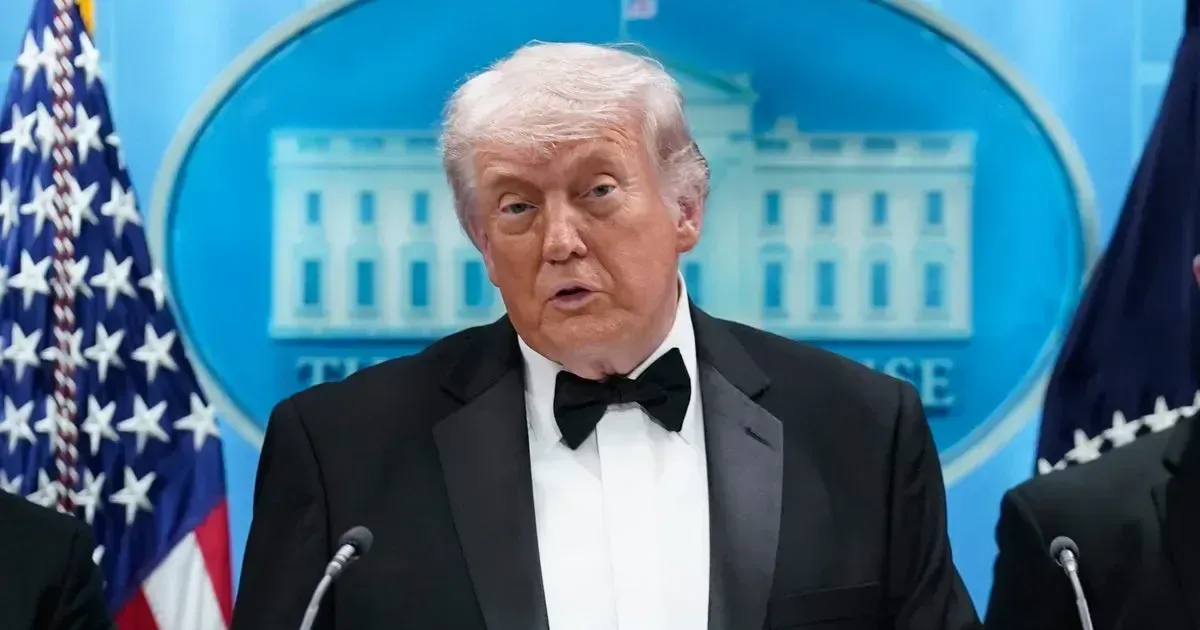
A security breach at the Washington Hilton turned a formal White House Correspondents' Dinner into a federal investigation with lasting consequences for presidential protection. The incident unfolded on April 26, 2026, after an armed suspect reached the hotel perimeter while President Donald Trump and senior officials were inside the venue.
The original emergency response centered on getting Trump, Melania Trump and other high-profile attendees away from the ballroom. Later filings and charging documents shifted the focus toward Cole Allen, the California man accused of planning the attack before reaching the Washington Hilton. That distinction matters. Early reports described chaos at the hotel, but the later federal record gave the case a more precise shape. Prosecutors have since tied the episode to a broader timeline of preparation, travel and surveillance, including the three-week plot described in a federal detention memo. The updated record makes the case less about a sudden lobby panic and more about whether security teams missed warning signs before Allen arrived.
Washington Hilton Security Failure Revisited
The Washington Hilton has carried presidential security baggage since the 1981 attack on Ronald Reagan outside the same hotel. That history made the 2026 breach especially damaging for the Secret Service and local police. A venue with decades of known risk should have forced tighter outer-ring screening, clearer pedestrian controls and more aggressive monitoring around arrival routes. Federal and local responders contained the scene, but containment is not the same as prevention. The most uncomfortable question is how a suspect later linked to an alleged assassination attempt reached a position close enough to trigger a lockdown at one of Washington's most visible political events.
Cole Allen Timeline
The later case against Allen gave the Washington Hilton incident new legal weight. Federal prosecutors filed charges against him in connection with the Trump dinner attack, and later filings show how the Cole Allen attempted assassination case expanded from the initial shooting response into a federal security investigation.
The newer filings also narrowed some of the early uncertainty. Rather than treating the suspect as an unnamed gunman with unclear motives, investigators described a sequence of movements, planning steps and evidence that prosecutors say connected Allen to the attack. Those allegations still have to be proved in court, but they change how the original Hilton incident should be read.
White House Security Fallout
The federal timeline also helps separate confirmed security facts from the speculation that filled the first hours after the attack. Early accounts emphasized weapons, panic and witness confusion. Later documents supplied a firmer factual basis: Allen was accused through filings, the government cited specific preparation steps and the security failure was evaluated through the route he allegedly took toward the hotel. That record helps separate first-hour uncertainty from the facts set out in court. The immediate security shock remains part of the case, now grounded in later court documents, published charges and venue-risk context.
The attack also fed a wider debate over security at presidential venues. A later Justice Department filing connected White House security arguments to separate construction litigation, including the Trump ballroom security dispute. That link shows how one violent episode can become a policy argument far beyond the original crime scene.
For federal protection agencies, the Washington Hilton case raises two separate tests. The first is tactical: whether agents and police can keep a suspect outside the danger zone. The second is institutional: whether warnings, travel records, online behavior and venue vulnerabilities are being assembled quickly enough before a public presidential event begins. That institutional test now matters more than the first-hour spectacle. If investigators can trace a suspect through travel, bookings, online posts or surveillance before an attack, security planning has to ask why those fragments did not form a usable warning sooner.
The later record does not erase the urgency of the original attack. It narrows the question. The better question is no longer whether the dinner looked chaotic, but whether the agencies responsible for the outer perimeter had enough information to treat the venue as an active threat environment before the first emergency call.
Security Risks at a Historically Vulnerable Venue
The enduring lesson from the Washington Hilton is not that every public event can be made risk-free. It is that old venues with known presidential history cannot be treated like ordinary hotel ballrooms. When a high-profile dinner concentrates the President, Cabinet officials, media executives and political donors in one building, the sidewalk and lobby become part of the protected space.
Allen's case remains an allegation until adjudicated, but the security implications are immediate. A modern protection plan has to account for individual attackers who study schedules, exploit public access and use media attention as part of the target. The Washington Hilton breach exposed a gap between ceremonial Washington and the physical reality of protecting it.